
Michelle Pellin
LMHC, LPCConnecticut · 11 yrs exp
Hope-focused counselor for life changes
Stress, Anxiety · Parenting · Self esteem · Depression · +16 more
Read profileTherapist listings are provided by BetterHelp. We will earn a commission at no additional cost to you if you use our links to purchase.
Compare profiles of clinicians who list Anger among their specialties and who also indicate intellectual disability as a focus. Use listed location, approach descriptions, languages and credentials to guide your search and then browse profiles to learn more.
Connecticut · 11 yrs exp
Hope-focused counselor for life changes
Stress, Anxiety · Parenting · Self esteem · Depression · +16 more
Read profile
Alabama · 22 yrs exp
Calm, practical therapy for everyday challenges
Stress, Anxiety · Trauma and abuse · Anger · Self esteem · +16 more
Read profile
South Carolina · 14 yrs exp
Practical therapy focused on real-life change
Stress, Anxiety · Parenting · Depression · Addictions · +14 more
Read profile
Louisiana · 7 yrs exp
Practical, person-centered therapy for life challenges
Stress, Anxiety · Family · Trauma and abuse · Parenting · +15 more
Read profile
Florida · 25 yrs exp
Experienced LMHC focused on practical support
Stress, Anxiety · Family · Grief · Self esteem · +12 more
Read profile
Missouri · 16 yrs exp
Compassionate LCSW helping people find direction
Stress, Anxiety · Trauma and abuse · Self esteem · Bipolar · +12 more
Read profile
North Carolina · 10 yrs exp
Counseling that connects mental health and faith
Stress, Anxiety · Relationship · Family · Bipolar · +16 more
Read profile
New York · 35 yrs exp
Compassionate LCSW supporting life challenges
Stress, Anxiety · Self esteem · Career · ADHD · +10 more
Read profile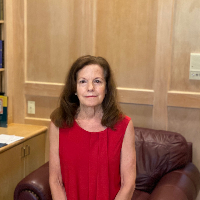
Massachusetts · 25 yrs exp
Collaborative, practical therapy focused on relationship
Stress, Anxiety · Relationship · Family · Self esteem · +14 more
Read profile
Texas · 6 yrs exp
Compassionate practical therapy for everyday life
Stress, Anxiety · Relationship · Parenting · Anger · +8 more
Read profile
Utah · 20 yrs exp
Experienced LCSW offering practical, compassionate care
Stress, Anxiety · Relationship · Grief · Depression · +12 more
Read profile
Georgia · 25 yrs exp
Experienced social worker focused on practical support
Stress, Anxiety · Parenting · Anger · Self esteem · +15 more
Read profile
Georgia · 17 yrs exp
Practical, person-centered counseling for complex needs
Relationship · Family · Trauma and abuse · Career · +13 more
Read profile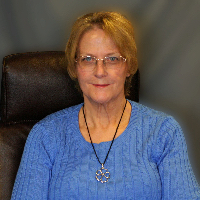
Utah · 25 yrs exp
Practical, values-focused therapy for everyday life
Stress, Anxiety · Family · Trauma and abuse · Anger · +15 more
Read profile
North Carolina · 10 yrs exp
Down-to-earth counselor blending body and mind work
Stress, Anxiety · LGBT · Relationship · Coping with life changes · +13 more
Read profile
Arkansas · 44 yrs exp
Seasoned LCSW-C offering practical, flexible care
Stress, Anxiety · Trauma and abuse · Grief · Self esteem · +16 more
Read profile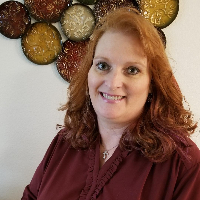
Idaho · 9 yrs exp
Compassionate, practical therapy for everyday challenges
Stress, Anxiety · Trauma and abuse · Anger · Depression · +13 more
Read profile
Texas · 5 yrs exp
Compassionate, practical support for everyday struggles
Stress, Anxiety · Relationship · Family · Trauma and abuse · +9 more
Read profile
New York · 25 yrs exp
Experienced LCSW focusing on practical support
Stress, Anxiety · Grief · Anger · Self esteem · +6 more
Read profile
Texas · 8 yrs exp
Compassionate, practical counseling for everyday challenges
Stress, Anxiety · Self esteem · Career · Depression · +8 more
Read profile
Washington · 24 yrs exp
Experienced Washington LMHC focused on practical change
Stress, Anxiety · Family · Trauma and abuse · Parenting · +11 more
Read profile
Wisconsin · 8 yrs exp
Compassionate Wisconsin social worker
Stress, Anxiety · Trauma and abuse · Self esteem · Depression · +16 more
Read profile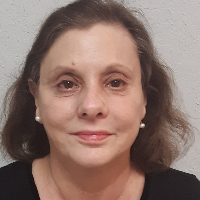
Florida · 32 yrs exp
Experienced Florida LCSW who adapts to your needs
Stress, Anxiety · Trauma and abuse · Grief · Depression · +14 more
Read profile
Michigan · 15 yrs exp
Practical, collaborative therapy for everyday challenges
Stress, Anxiety · LGBT · Relationship · Depression · +16 more
Read profileWhen you search for help with anger while also considering intellectual disability, your priorities might include clear communication, practical strategies for handling strong feelings, and support for relationships and daily independence. You may be looking for someone who listens to how anger shows up for you or for the person you support, who asks about triggers in everyday situations, and who works at a pace that feels manageable. You might care about whether a clinician will welcome involvement from carers or family members, whether they use visual aids or straightforward language, and whether they respect the goals you set. Profiles can give an initial sense of these things through descriptions of focus areas, approaches, and languages offered. Keep in mind that a listed focus is a starting point for conversation, not a guarantee of a particular method or outcome.
Thinking through what success looks like to you helps clarify which profile details matter most. You may prioritise improving communication in relationships, reducing the intensity of outbursts, developing calming routines, or building confidence to express needs. Profiles that mention experience with adults who have intellectual disability can indicate that a clinician is accustomed to adapting their pace and materials, but you should ask direct questions about how they tailor sessions, how they work with carers, and how they approach practical skills versus emotion-focused work. That way you can focus on clinicians whose descriptions best match your priorities.
Anger is a common human emotion and it can be influenced by many factors in someone’s life - routine changes, communication barriers, sensory overload, social expectations, or feelings of frustration and loss of control. When intellectual disability is part of the picture, these contexts can shape how anger is expressed and how others respond. Profiles in this directory list both Anger and intellectual disability as focus areas when clinicians have indicated they work with these topics. This does not imply that one causes the other, but it does mean you can look for clinicians who understand the particular contexts that can make managing anger more challenging for some adults.
In practice you will want to discuss how a clinician conceptualises anger in relation to a person’s everyday life. You may ask how they approach building communication skills, planning for predictable stressors, or creating calming strategies that fit a person’s routine. Some clinicians describe using cognitive-behavioural ideas to explore triggers and responses, while others emphasise emotional regulation skills, sensory-informed approaches, or teaching carers practical ways to support coping. Profiles that mention these topics can point you to people who are prepared to discuss adaptations and supports relevant to intellectual disability.
When you click into a profile, prepare concrete questions so you can assess fit. Ask how the clinician describes their work with adults with intellectual disability and what kinds of adaptations they commonly use. You can request examples of typical session goals and ask how progress is reviewed. Inquire whether they involve carers, how they handle consent and decision-making in ways that respect autonomy, and whether they use visual materials, role-play, or repetition to reinforce skills. Ask which approaches they list and how those approaches are adapted - for example, you might ask about therapists who list DBT among their approaches and how its skills are taught in an accessible way, or about therapists who list EMDR among their approaches and how this would be explained and offered in simple terms.
It is also important to understand a clinician’s professional standing. In the United States you might look for licences such as LCSW, LPC, LMFT, or the credentialing of psychologists like PhD or PsyD, while in the United Kingdom or Australia you will see reference to professional registration or membership with national bodies. Remember that an academic degree - for example a PhD, PsyD, MA, or MSW - is not the same as current permission to practise. Profiles list degrees and professional details; you can ask directly about the clinician’s current registration or licensing relevant to their listed location. This helps you understand their background without assuming anything about the services they provide.
If you are considering remote sessions, there are practical points to cover before the first appointment. Discuss the technology platform used and whether it supports the communication needs of the person you represent - for example, whether captions, screen-sharing of visual supports, or the ability to use gestures on camera are available. Ask how the clinician adapts session structure for attention and processing needs, including shorter segments, frequent summaries, or follow-up materials sent in simple formats. Talk about whether carers can join parts of a session, and how transitions between carer-led and individual work are managed to maintain dignity and choice.
It is also sensible to clarify how the clinician handles situations when a person feels overwhelmed during a remote meeting. Ask what steps they take to de-escalate, where they suggest the person move to a comfortable environment at the listed location, and who else should be contacted if additional help is needed. Discussing expectations for session length, homework or practice tasks, and how progress will be checked can reduce uncertainty. A clear pre-session conversation about these items helps you decide whether the clinician’s approach and practical arrangements match your needs.
Profiles give you several lenses for comparison. Focus areas show the topics clinicians indicate they work with; you can use that to identify people who list Anger and intellectual disability together. Approach descriptions reveal the therapeutic options they mention - for example, cognitive-behavioural strategies, acceptance-based work, mindfulness, or dialectical skills - and you can frame follow-up questions about how those approaches are adapted. Languages listed in profiles matter for clear communication, so look for clinicians who speak the language most comfortable for the person seeking support.
Credentials and professional details are another important comparison point. Profiles commonly list academic degrees and professional registrations or memberships relevant to the clinician’s listed location. Note whether a degree is accompanied by an indication of current registration or licensure in the region where the clinician practices and ask about the relevance of those credentials to the services you need. Finally, therapeutic style can be gleaned from a clinician’s description of how they work - whether they emphasise skills practice, emotional exploration, coaching for carers, or practical problem solving. Think about whether you prefer a direct, skills-focused approach or a gentler, exploratory style, and use that preference to narrow profiles before reaching out to learn more.
Choosing support for anger when intellectual disability is a factor is a personal process. Profiles in this directory are designed to help you make informed comparisons across listed location, approaches, languages, credentials and stated focus areas. Use those details as conversation starters so you can find a clinician whose way of working and practical arrangements align with the goals you set for yourself or the person you support.
Alabama
22 therapists
Alaska
2 therapists
Arizona
25 therapists
Arkansas
15 therapists
Australia
67 therapists
California
115 therapists
Colorado
50 therapists
Connecticut
11 therapists
Delaware
6 therapists
District of Columbia
3 therapists
Florida
164 therapists
Georgia
33 therapists
Hawaii
6 therapists
Idaho
18 therapists
Illinois
78 therapists
Indiana
36 therapists
Iowa
8 therapists
Kansas
16 therapists
Kentucky
25 therapists
Louisiana
38 therapists
Maine
8 therapists
Maryland
25 therapists
Massachusetts
23 therapists
Michigan
81 therapists
Minnesota
29 therapists
Mississippi
18 therapists
Missouri
57 therapists
Montana
13 therapists
Nebraska
2 therapists
Nevada
8 therapists
New Hampshire
3 therapists
New Jersey
46 therapists
New Mexico
7 therapists
New York
107 therapists
North Carolina
75 therapists
North Dakota
4 therapists
Ohio
45 therapists
Oklahoma
35 therapists
Oregon
11 therapists
Pennsylvania
74 therapists
Rhode Island
3 therapists
South Carolina
25 therapists
South Dakota
5 therapists
Tennessee
28 therapists
Texas
182 therapists
United Kingdom
447 therapists
Utah
19 therapists
Vermont
3 therapists
Virginia
34 therapists
Washington
19 therapists
West Virginia
7 therapists
Wisconsin
40 therapists
Wyoming
6 therapists