
Evalee Smith
LISW, LCSW, CSWGeorgia · 25 yrs exp
Experienced social worker focused on practical support
Stress, Anxiety · Parenting · Anger · Self esteem · +15 more
Read profileTherapist listings are provided by BetterHelp. We will earn a commission at no additional cost to you if you use our links to purchase.
Use these profiles to compare therapists who list intellectual disability among their focus areas in the listed location of Georgia. Look at approaches, credentials, languages and experience, then click through the individual profile to learn more.
Georgia · 25 yrs exp
Experienced social worker focused on practical support
Stress, Anxiety · Parenting · Anger · Self esteem · +15 more
Read profile
Georgia · 17 yrs exp
Practical, person-centered counseling for complex needs
Relationship · Family · Trauma and abuse · Career · +13 more
Read profile
Georgia · 12 yrs exp
Guided, practical counseling for life changes
LGBT · Relationship · Bipolar · Coping with life changes · +6 more
Read profile
Georgia · 25 yrs exp
Steady, practical support for life’s hard moments
Stress, Anxiety · Trauma and abuse · Grief · Self esteem · +13 more
Read profile
Georgia · 14 yrs exp
Practical, strengths-based support for life changes
Family · Grief · Parenting · Self esteem · +12 more
Read profile
Georgia · 18 yrs exp
Helping people find clearer paths forward
Stress, Anxiety · Addictions · Relationship · Family · +15 more
Read profile
Georgia · 5 yrs exp
Compassionate practical therapy for everyday challenges
Stress, Anxiety · Relationship · Family · Trauma and abuse · +1 more
Read profile
Georgia · 12 yrs exp
Practical, goal-focused counseling for everyday life
Stress, Anxiety · Depression · Coping with life changes · Compassion fatigue · +11 more
Read profile
Georgia · 18 yrs exp
Calm practical counseling for life’s challenges
Stress, Anxiety · Relationship · Family · Self esteem · +7 more
Read profile
Georgia · 20 yrs exp
Compassionate counselor focused on practical change
Stress, Anxiety · Anger · Self esteem · Depression · +9 more
Read profile
Georgia · 16 yrs exp
Practical, compassionate care for life transitions
Stress, Anxiety · LGBT · Relationship · Depression · +15 more
Read profile
Georgia · 12 yrs exp
Compassionate counselor for life changes
Stress, Anxiety · Grief · Self esteem · Depression · +11 more
Read profile
Georgia · 17 yrs exp
Experienced counselor for practical change
Stress, Anxiety · Addictions · Parenting · Depression · +12 more
Read profile
Georgia · 3 yrs exp
Practical counseling for everyday challenges
Stress, Anxiety · Addictions · Relationship · Trauma and abuse · +16 more
Read profile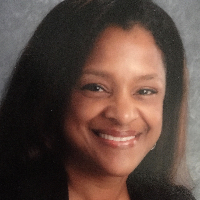
Georgia · 10 yrs exp
Compassionate counselor focused on practical change
Stress, Anxiety · Parenting · Self esteem · Depression · +10 more
Read profile
Georgia · 7 yrs exp
Practical support for life changes and resilience
Stress, Anxiety · Trauma and abuse · Self esteem · Depression · +10 more
Read profile
Georgia · 14 yrs exp
Compassionate counselor for practical change
Stress, Anxiety · Family · Parenting · Depression · +11 more
Read profile
Georgia · 12 yrs exp
Compassionate clinical social worker for adults
Stress, Anxiety · Grief · Anger · Depression · +13 more
Read profile
Georgia · 37 yrs exp
Practical, experience-based counseling for life challenges
Relationship · Trauma and abuse · Anger · Coping with life changes · +12 more
Read profile
Georgia · 30 yrs exp
Experienced Georgia LCSW focused on relationships
Relationship · Intimacy-related issues · Self esteem · Career · +9 more
Read profile
Georgia · 30 yrs exp
Support to build strength and coping skills
Stress, Anxiety · Addictions · Grief · Self esteem · +4 more
Read profile
Georgia · 20 yrs exp
Hope-focused counselor with 20 years experience
Stress, Anxiety · Family · Trauma and abuse · Bipolar · +12 more
Read profile
Georgia · 4 yrs exp
A practical, encouraging counselor for life transitions
Stress, Anxiety · Self esteem · Career · Depression · +7 more
Read profile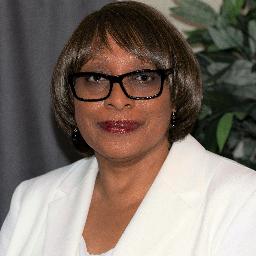
Georgia · 8 yrs exp
Practical, compassionate counseling for everyday struggles
Stress, Anxiety · Grief · Anger · Depression
Read profileWhen you start looking for a therapist in Georgia, it helps to be clear about the kinds of support you or the person you care for are seeking. Some people want emotional support to manage stress and anxiety related to everyday life, relationships or transitions. Others are focused on building independence, improving communication, or finding strategies that reduce overwhelm. You can think about short-term goals like learning coping techniques and long-term priorities like strengthening social connections or navigating life changes. Framing your needs in concrete terms - for example, being able to talk through a specific worry, working on clearer communication with support staff, or building confidence in new situations - will make it easier to compare profiles and discuss fit with a therapist.
Person-first language matters in how you describe needs and goals, and you should expect the same respectful language when you review profiles and reach out. Profiles give you a starting point to learn about a therapist's stated focus areas and approaches, but they do not prove a particular scope of practice. Use what you read to form direct questions that relate to your priorities, so the conversation you have with a potential therapist is focused and practical.
The directory groups profiles under the listed location Georgia. That grouping does not guarantee an in-person office in that place or that every professional holds permission to practise there. When you view a profile, check the information it provides about where the therapist works, whether they describe offering remote sessions across state lines, and how they present their professional credentials. In the United States many clinicians hold a state license; in the United Kingdom and Australia professionals may describe registration or membership in a professional body. Academic degrees such as PhD, PsyD, MD, MA or MSW are important to note, but a degree alone does not confirm current permission to practise where you live. Profiles may list a mix of degrees, registrations and memberships; the clear next step is to confirm the therapist's jurisdictional permission to work with you in Georgia or elsewhere before you proceed.
Because the directory includes clinicians from multiple countries, ask directly about the legal and practical arrangements that apply to you. If a profile mentions telehealth or remote work, clarify whether that person is allowed to offer care to someone based in Georgia. This step protects you and ensures the working arrangement meets local regulatory expectations.
When you contact a therapist, specific questions will help you compare how well their approach and experience match your needs. Ask whether they have experience supporting adults who identify as having an intellectual disability and how they adapt their communication and materials to be accessible. Inquire if they use particular approaches - for example, some therapists list cognitive behavioural approaches, person-centred work, trauma-informed care or mindfulness among their approaches - and ask what that looks like in practice for someone with your needs. Phrase these as open questions so you hear how the therapist tailors interventions, rather than assuming any standard method.
It is also useful to explore how a therapist works with carers or support staff if that is part of your situation. Ask how they involve a support person in sessions when requested, and how they document goals and progress in a way you can understand. If communication style matters to you - for instance, plain language, visual supports, or Easy Read documents - ask whether the therapist can provide or coordinate those adaptations. Concrete questions reduce guesswork and help you compare one profile against another based on how they describe adapting their practice.
If you are considering online sessions, raise practical and professional topics before beginning. Confirm that the clinician has permission to work with someone located in Georgia and ask how they handle time zones, appointment scheduling and follow-up communication. Talk about the technology you will use and whether they can accommodate the communication tools that work best for you, such as captioning, screen-share of visual aids, or alternative formats for worksheets. Ask about the role of a support person in sessions and how consent and decision-making will be handled, especially when multiple people participate in meetings.
You should also discuss emergency planning in a general sense - for example, how they recommend handling situations where immediate in-person help is needed - and whether they can coordinate with local services or supports if that becomes necessary. These conversations are about planning and clarity, not about predicting outcomes. They help you assess whether a clinician’s way of working aligns with your practical needs and expectations for communication and coordination.
Comparing profiles effectively means looking beyond a single label and reading the way a clinician describes their focus and style. Notice which profiles explicitly mention intellectual disability among their focus areas and read how they frame related work - do they emphasize emotional support, strategies for daily living, relationship skills or stress management? Language matters: if you or the person you support prefer to work in a language other than English, check the languages listed and ask about the therapist's comfort level and experience working in that language. Profiles that list lived experience, advocacy backgrounds or work with community services can indicate additional perspectives to discuss when you contact them.
Compare credentials by distinguishing degrees from regulatory permission to practise. A profile that lists a PhD, PsyD, MD, MA or MSW conveys academic training, while registration, licensure or membership lines suggest professional regulation in a given jurisdiction. Ask where the therapist is registered or licensed and in which jurisdictions they can work with you. Finally, pay attention to the tone and style apparent in the profile - whether a clinician emphasizes collaborative goal-setting, hands-on skill-building, or reflective therapy - and imagine how that style would fit with your preferences. Using specific questions about communication, approach and jurisdiction will give you the clearest basis for selecting who to contact and for starting a conversation about whether you can work together in a way that meets your needs.
ADHD
1417 therapists
Anger
1470 therapists
Autism
1419 therapists
Chronic Illness
1099 therapists
Depression
1976 therapists
Disability
1099 therapists
Grief
1625 therapists
Intellectual Disability
2227 therapists
Isolation / Loneliness
1755 therapists
Self Esteem
1930 therapists
Social Anxiety and Phobia
1739 therapists
Stress & Anxiety
2126 therapists
Trauma and Abuse
1799 therapists
Traumatic Brain Injury
662 therapists
Career
1350 therapists
Caregiver Issues and Stress
1544 therapists
Communication Problems
1835 therapists
Compassion Fatigue
1217 therapists
Coping with Life Changes
1799 therapists
Family
1617 therapists
Life Purpose
1774 therapists
Parenting
1441 therapists
Relationship
1749 therapists
Workplace Issues
1535 therapists