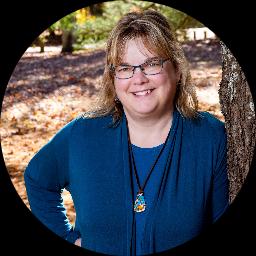
Michelle Pellin
LMHC, LPCConnecticut · 11 yrs exp
Hope-focused counselor for life changes
Stress, Anxiety · Parenting · Self esteem · Depression · +16 more
Read profileTherapist listings are provided by BetterHelp. We will earn a commission at no additional cost to you if you use our links to purchase.
This page groups profiles of professionals who list Trauma and Abuse as a specialty and intellectual disability as an additional focus area. Use the profile details to compare approaches, languages, credentials and listed location, then browse profiles to learn more.
Connecticut · 11 yrs exp
Hope-focused counselor for life changes
Stress, Anxiety · Parenting · Self esteem · Depression · +16 more
Read profile
Alabama · 22 yrs exp
Calm, practical therapy for everyday challenges
Stress, Anxiety · Trauma and abuse · Anger · Self esteem · +16 more
Read profile
South Carolina · 14 yrs exp
Practical therapy focused on real-life change
Stress, Anxiety · Parenting · Depression · Addictions · +14 more
Read profile
Louisiana · 7 yrs exp
Practical, person-centered therapy for life challenges
Stress, Anxiety · Family · Trauma and abuse · Parenting · +15 more
Read profile
New York · 22 yrs exp
Experienced LCSW focused on practical support
Stress, Anxiety · Relationship · Grief · Depression · +7 more
Read profile
Florida · 25 yrs exp
Experienced LMHC focused on practical support
Stress, Anxiety · Family · Grief · Self esteem · +12 more
Read profile
Missouri · 16 yrs exp
Compassionate LCSW helping people find direction
Stress, Anxiety · Trauma and abuse · Self esteem · Bipolar · +12 more
Read profile
North Carolina · 10 yrs exp
Counseling that connects mental health and faith
Stress, Anxiety · Relationship · Family · Bipolar · +16 more
Read profile
New York · 35 yrs exp
Compassionate LCSW supporting life challenges
Stress, Anxiety · Self esteem · Career · ADHD · +10 more
Read profile
Massachusetts · 25 yrs exp
Collaborative, practical therapy focused on relationship
Stress, Anxiety · Relationship · Family · Self esteem · +14 more
Read profile
Texas · 6 yrs exp
Compassionate practical therapy for everyday life
Stress, Anxiety · Relationship · Parenting · Anger · +8 more
Read profile
Utah · 20 yrs exp
Experienced LCSW offering practical, compassionate care
Stress, Anxiety · Relationship · Grief · Depression · +12 more
Read profile
Georgia · 25 yrs exp
Experienced social worker focused on practical support
Stress, Anxiety · Parenting · Anger · Self esteem · +15 more
Read profile
Georgia · 17 yrs exp
Practical, person-centered counseling for complex needs
Relationship · Family · Trauma and abuse · Career · +13 more
Read profile
Pennsylvania · 15 yrs exp
Supportive counselor focused on practical change
Stress, Anxiety · Trauma and abuse · Sleeping · Self esteem · +9 more
Read profile
Utah · 25 yrs exp
Practical, values-focused therapy for everyday life
Stress, Anxiety · Family · Trauma and abuse · Anger · +15 more
Read profile
North Carolina · 10 yrs exp
Down-to-earth counselor blending body and mind work
Stress, Anxiety · LGBT · Relationship · Coping with life changes · +13 more
Read profile
Arkansas · 44 yrs exp
Seasoned LCSW-C offering practical, flexible care
Stress, Anxiety · Trauma and abuse · Grief · Self esteem · +16 more
Read profile
Idaho · 9 yrs exp
Compassionate, practical therapy for everyday challenges
Stress, Anxiety · Trauma and abuse · Anger · Depression · +13 more
Read profile
Texas · 5 yrs exp
Compassionate, practical support for everyday struggles
Stress, Anxiety · Relationship · Family · Trauma and abuse · +9 more
Read profile
Texas · 8 yrs exp
Compassionate, practical counseling for everyday challenges
Stress, Anxiety · Self esteem · Career · Depression · +8 more
Read profile
Washington · 24 yrs exp
Experienced Washington LMHC focused on practical change
Stress, Anxiety · Family · Trauma and abuse · Parenting · +11 more
Read profile
Wisconsin · 8 yrs exp
Compassionate Wisconsin social worker
Stress, Anxiety · Trauma and abuse · Self esteem · Depression · +16 more
Read profile
Ohio · 25 yrs exp
Compassionate, practical support for life changes
Relationship · Trauma and abuse · Intimacy-related issues · Self esteem · +4 more
Read profileWhen you look through the profiles on this page you are seeing clinicians and other helping professionals who have chosen to list Trauma and Abuse among their focus areas and also note intellectual disability as an area they work with. That listing indicates an interest or experience the practitioner has chosen to share, not an independent endorsement or certification. The profiles are designed to help you identify clinicians whose language, stated approaches and background may match what you want to discuss, whether you are an adult with an intellectual disability, a family member, carer or supporter helping to find care.
Profiles typically include a listed location, descriptions of approaches the clinician uses, academic degrees and professional registrations or memberships where applicable, and the languages they speak. You can use those details to narrow down profiles to people whose style, communication preferences and workplace setting feel appropriate for your situation. Because terms like Trauma and Abuse cover a wide range of experiences, reading several profiles and contacting clinicians directly will help you understand how each person frames their work and whether their focus aligns with your needs.
Trauma and experiences of abuse can affect anyone, and adults who have an intellectual disability may face particular challenges when seeking support. You should not assume a single cause or pattern - some people with intellectual disability list trauma as part of their history and others do not. The directory’s dual listing simply indicates that the clinician mentions both topics as part of the populations or issues they address.
When you consider a profile, think about the ways communication, decision-making preferences and supports might shape how you work with a clinician. For some people you support, adapting how information is presented, allowing extra time for processing, and using visual or concrete examples can make it easier to participate in conversations about difficult experiences. For others, priorities may include strengthening relationships, building coping strategies, or addressing ongoing stressors that follow an abusive event. A clinician’s description can signal whether they are attentive to accessibility and practical supports, but you will want to ask specific questions to confirm how they work in practice.
When you contact a clinician or read a profile, having specific questions in mind will help you compare how different professionals describe their work. You might ask how they adapt communication for adults who prefer more visual explanations, checklists or shorter summaries. It is reasonable to ask whether they have experience working alongside family members or paid carers in planning sessions and how they handle consent and decision-making in ways that respect the adult you support. You can also ask what a typical session might focus on early in the process - for example, learning ways to manage stress and triggers, discussing relationship boundaries, or building routines that feel safer.
Ask about the clinician’s approaches by name when they are mentioned on a profile. For example, you may see clinicians who list EMDR among their approaches or who list trauma-focused cognitive approaches among their work. Phrase your question so it is open: "I see you list EMDR among your approaches - how do you describe that work and how might it be adapted for someone with an intellectual disability?" That way the clinician can explain how they personally apply an approach without implying certification. Other practical questions include whether they use sensory strategies, how they support memory or note-taking, and how they involve supportive people with the adult's consent. These concrete questions will give you a clearer picture than general enquiries about experience alone.
If you are considering working remotely, there are several practical topics to cover before you begin. Confirm what technology platform the clinician uses and test it briefly so you know how audio and video perform on your device. Think about where you will sit during a session and whether you can be in a private space to talk openly; if that is difficult, discuss alternatives such as using chat features, shorter sessions or having a trusted supporter present with the adult's permission. If you are the supporter, agree in advance who will speak and how the person you support will indicate preferences during the session.
Also discuss what happens in an emergency and how the clinician handles situations that require local support. Because online work may cross regions, clarify whether the clinician is familiar with local resources that could be helpful where you live. Talk about communication preferences such as visual aids, captions, or written summaries after sessions, and whether the clinician can provide materials in accessible formats. Finally, ask how the clinician approaches consent and capacity, and what steps they take to ensure the adult's wishes guide planning. Clear conversations about these matters before beginning remote sessions can reduce stress and help you feel more prepared.
When comparing profiles, you will want to weigh several concrete factors rather than relying on a single indicator. Focus areas tell you which issues a clinician has chosen to highlight, so look for wording that matches your priorities - whether that is coping with memories of abuse, managing ongoing safety concerns, improving relationships or reducing stress. Languages listed on a profile are important if you or the person you support prefer to communicate in a language other than English; a clinician who lists your language can reduce barriers to being understood.
Credentials and professional registrations appear on profiles but require careful interpretation. Academic degrees such as PhD, PsyD, MD, MA or MSW indicate the clinician's training background but do not by themselves confirm current permission to practice. In the United States many clinicians hold state licenses such as LCSW, LPC, LMFT or psychologist licenses; in the United Kingdom practitioners may be registered with a professional regulator or be members of a national association; in Australia clinicians may be registered with national boards or hold membership in relevant professional bodies. Profiles often make these distinctions clear, so read both the degree information and the listed registration or membership details to understand the clinician's standing in their jurisdiction.
Style is an often overlooked but important element. Some clinicians describe their work as warm and collaborative, others as structured and goal-oriented, and some emphasise a slower exploratory pace. Think about what style would feel most respectful and practical for the adult you support. If you value straightforward, concrete tasks and regular summaries, look for profiles that mention practical planning and clear feedback. If you prefer exploration of personal meaning or storytelling, look for descriptions that emphasise narrative or reflective approaches. Use the profiles to form a shortlist of clinicians whose focus areas, language skills, credentials and stated style align with your priorities, then reach out with the concrete questions suggested earlier to learn more.
As you move from reading profiles to contacting clinicians, keep the focus on fit - how the clinician works, how they adapt communication, and how they plan to involve the person you support. Profiles give you starting points for meaningful conversations; the more specific you are about communication needs, safety concerns and desired outcomes, the more useful the clinician's responses will be. Take your time comparing profiles, ask the concrete questions that matter to you, and choose a path that supports the dignity and preferences of the adult at the centre of the care.
Alabama
22 therapists
Alaska
2 therapists
Arizona
25 therapists
Arkansas
15 therapists
Australia
67 therapists
California
115 therapists
Colorado
50 therapists
Connecticut
11 therapists
Delaware
6 therapists
District of Columbia
3 therapists
Florida
164 therapists
Georgia
33 therapists
Hawaii
6 therapists
Idaho
18 therapists
Illinois
78 therapists
Indiana
36 therapists
Iowa
8 therapists
Kansas
16 therapists
Kentucky
25 therapists
Louisiana
38 therapists
Maine
8 therapists
Maryland
25 therapists
Massachusetts
23 therapists
Michigan
81 therapists
Minnesota
29 therapists
Mississippi
18 therapists
Missouri
57 therapists
Montana
13 therapists
Nebraska
2 therapists
Nevada
8 therapists
New Hampshire
3 therapists
New Jersey
46 therapists
New Mexico
7 therapists
New York
107 therapists
North Carolina
75 therapists
North Dakota
4 therapists
Ohio
45 therapists
Oklahoma
35 therapists
Oregon
11 therapists
Pennsylvania
74 therapists
Rhode Island
3 therapists
South Carolina
25 therapists
South Dakota
5 therapists
Tennessee
28 therapists
Texas
182 therapists
United Kingdom
447 therapists
Utah
19 therapists
Vermont
3 therapists
Virginia
34 therapists
Washington
19 therapists
West Virginia
7 therapists
Wisconsin
40 therapists
Wyoming
6 therapists