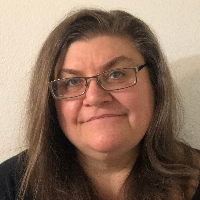
Wendi Cancilla
LMHCWashington · 24 yrs exp
Experienced Washington LMHC focused on practical change
Stress, Anxiety · Family · Trauma and abuse · Parenting · +11 more
Read profileTherapist listings are provided by BetterHelp. We will earn a commission at no additional cost to you if you use our links to purchase.
Explore profiles of professionals listed in the Washington location who include intellectual disability among their focus areas. Use the profile details to compare approaches, credentials, languages and experience.
Review each profile carefully and confirm that a practitioner has permission to work with you where you live before reaching out.
Washington · 24 yrs exp
Experienced Washington LMHC focused on practical change
Stress, Anxiety · Family · Trauma and abuse · Parenting · +11 more
Read profile
Washington · 25 yrs exp
Direct, experienced therapist for practical change
Stress, Anxiety · Relationship · Family · Trauma and abuse · +16 more
Read profile
Washington · 19 yrs exp
Client-centered LMHC focusing on practical growth
Stress, Anxiety · Trauma and abuse · Grief · Anger · +9 more
Read profile
Washington · 30 yrs exp
Experienced counselor with practical focus
Stress, Anxiety · Relationship · Family · Intimacy-related issues · +14 more
Read profile
Washington · 12 yrs exp
Calm practical support for everyday mental health
Stress, Anxiety · Addictions · LGBT · Trauma and abuse · +12 more
Read profile
Washington · 9 yrs exp
Compassionate counselor for stress and addiction
Stress, Anxiety · Addictions · Trauma and abuse · Anger · +11 more
Read profile
Washington · 30 yrs exp
Practical therapy for life transitions and stress
Stress, Anxiety · Anger · Depression · Coping with life changes · +13 more
Read profile
Washington · 20 yrs exp
Supportive counselor focused on practical change
Stress, Anxiety · Addictions · Relationship · Trauma and abuse · +13 more
Read profile
Washington · 7 yrs exp
Practical, compassionate support for everyday struggles
Stress, Anxiety · Self esteem · Depression · Coping with life changes · +14 more
Read profile
Washington · 18 yrs exp
Experienced Washington LMHC focused on access and support
Stress, Anxiety · Grief · Self esteem · Coping with life changes · +10 more
Read profile
Washington · 40 yrs exp
Compassionate, experienced guidance for life changes
Relationship · Family · Trauma and abuse · Depression · +16 more
Read profile
Washington · 9 yrs exp
Practical, collaborative therapy for mood and identity concerns
LGBT · Trauma and abuse · Bipolar · Depression · +9 more
Read profile
Washington · 8 yrs exp
Practical, compassionate support for life changes
Grief · Anger · Self esteem · Coping with life changes · +9 more
Read profile
Washington · 8 yrs exp
Guide to next chapters
Relationship · Family · Intimacy-related issues · Self esteem · +8 more
Read profile
Washington · 40 yrs exp
Experienced, practical therapy for real life challenges
Stress, Anxiety · Addictions · Relationship · Family · +9 more
Read profile
Washington · 16 yrs exp
Respectful, practical therapy focused on real-life change
Stress, Anxiety · Grief · Self esteem · Depression · +1 more
Read profile
Washington · 10 yrs exp
Compassionate counseling for stress and relationships
Stress, Anxiety · Relationship · Trauma and abuse · Self esteem · +1 more
Read profile
Washington · 15 yrs exp
Calm, practical therapy for everyday struggles
Stress, Anxiety · Relationship · Trauma and abuse · Intimacy-related issues · +1 more
Read profile
Washington · 12 yrs exp
Supportive LICSW for relationship and life transitions
Relationship · Grief · Intimacy-related issues · Self esteem · +1 more
Read profileWhen you look for a therapist who lists intellectual disability as a focus area, you are likely seeking practical emotional support, help with relationships, strategies for everyday independence, or ways to reduce stress for yourself or someone you care for. You may want someone who adapts language, pace and materials to match how you prefer to communicate. Some people search for a professional who understands family dynamics and carer stress, while others prioritise a practitioner who can work collaboratively with other services you already use. Think about the everyday situations you want to address - for example, managing anxiety in new settings, improving communication with supporters, or building confidence when making decisions - and use those concerns to guide your search.
As you compare profiles, keep in mind that listing intellectual disability does not indicate a single standard of practice or a specific service model. Therapists who list approaches such as person-centered work, cognitive-behavioural strategies, or trauma-informed approaches are offering those options to discuss, not promising particular outcomes. You can prepare by noting the practical supports and communication adjustments that matter to you, and then look for profiles that describe experience, languages and ways of working that align with those needs.
The Washington listed location groups profiles for people who have recorded that location, but it does not guarantee an office, a particular physical proximity, or that every practitioner is authorised to work with every resident of Washington. You should check the individual profile and ask the practitioner to confirm permission to work with you where you live. In the United States many clinicians hold state-level licenses such as licensed psychologists, licensed clinical social workers or licensed professional counselors. In the United Kingdom professionals may show registration or membership with relevant professional bodies. In Australia you may see national registration or association membership noted. Academic degrees like PhD, PsyD, MD, MA or MSW tell you about education, but a degree alone does not establish current permission to provide care in a particular place.
When you read a profile, look for clear descriptions that separate degrees from current professional authorisation. A profile may list a clinical degree alongside a licensing or registration status, or it may describe membership in a professional association. If you need confirmation of a current licence or registration to meet your personal or legal requirements, ask the practitioner directly. It is appropriate to request information about where they are permitted to offer services and whether they can work with people who reside in Washington.
To evaluate fit, prepare concrete questions you can raise in an initial conversation. Ask whether the practitioner has experience supporting adults with an intellectual disability and how they adapt communication and materials. You can ask for examples of typical topics they address in sessions and how they involve family members or carers when that is useful to you. If you have particular preferences - visual aids, simplified language, additional time to process information, or the presence of a caregiver during sessions - ask whether and how those preferences are accommodated.
Also ask about the approaches they list on their profile. You might say, I see you list cognitive-behavioural, person-centered, or trauma-informed approaches among your approaches - how might you adapt those approaches when working with someone with an intellectual disability? That phrasing acknowledges the profile information without assuming training or certification. Ask about the practitioner’s experience with similar goals to your own and whether they have worked alongside other supports such as social workers, vocational services, or educational teams. Concrete questions help you compare how practitioners describe their work and whether their style matches what you need.
If you are considering remote appointments, there are specific topics to discuss so you can make an informed choice. Confirm that the practitioner has permission to offer services to people living in Washington and ask how they handle jurisdictional requirements. Talk about the technology you will use - video platform, devices, and whether they provide alternatives like phone sessions if needed - and make sure the communication options match your accessibility needs. Discuss how they manage consent and information sharing, including how they involve carers or supporters when you want that included.
It is also important to talk through practical arrangements such as session length, how appointments are scheduled, and what to do if technical problems interrupt a session. Ask how they would handle safety concerns or emergencies given that they may be located elsewhere, and what local resources or contacts they recommend in Washington if additional in-person support becomes necessary. These conversations help you understand how online care would work for you and whether additional local supports should be arranged in parallel.
When comparing profiles in the Washington listed location, look beyond a single label and read how each practitioner describes their focus and approach. Pay attention to the specific issues they mention and the populations they work with. Language options are important - see which languages are offered and whether the practitioner describes using interpreters or communication supports. Credential details help you understand background - degrees indicate training, while licensing, registration or association membership indicate permission or affiliation in different systems. Remember that a degree does not equal current permission to practice in a particular place, so confirm that separately.
Style and interpersonal fit are equally important. Read profile language that describes how a practitioner works - whether they emphasise collaboration with carers, practical skills-building, or a reflective, relationship-focused approach. Think about concrete scenarios and imagine how each style would feel in practice. Ask yourself whether you want someone who takes an active coaching role, someone who focuses on emotional support and relationships, or someone who coordinates with other services. Use comparison questions such as: How do you adapt sessions for communication differences? Which languages do you use regularly? Can you work with a carer present? Are you authorised to work with people living in Washington? These specific queries will guide conversations and help you select a profile to contact.
Choosing a practitioner is a personal decision and the profiles on this directory are a starting point. Use the details provided to narrow choices, then reach out to discuss your needs, confirm permission for care in your location, and ask how a practitioner would adapt their approach to match your communication and support preferences. That process will help you find someone who aligns with your goals and the practical realities of the care you want.
ADHD
1417 therapists
Anger
1470 therapists
Autism
1419 therapists
Chronic Illness
1099 therapists
Depression
1976 therapists
Disability
1099 therapists
Grief
1625 therapists
Intellectual Disability
2227 therapists
Isolation / Loneliness
1755 therapists
Self Esteem
1930 therapists
Social Anxiety and Phobia
1739 therapists
Stress & Anxiety
2126 therapists
Trauma and Abuse
1799 therapists
Traumatic Brain Injury
662 therapists
Career
1350 therapists
Caregiver Issues and Stress
1544 therapists
Communication Problems
1835 therapists
Compassion Fatigue
1217 therapists
Coping with Life Changes
1799 therapists
Family
1617 therapists
Life Purpose
1774 therapists
Parenting
1441 therapists
Relationship
1749 therapists
Workplace Issues
1535 therapists