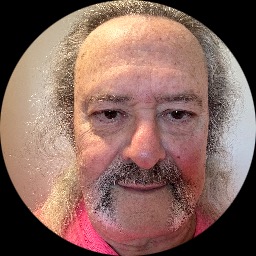
Therapist
Mark Sikora
LICSW
Compassionate, experienced guidance for life changes
Opens BetterHelp in a new tab. There you can look at online therapy options.
Step 1
- 40 years experience
- Practical coping skills
- Relationship focus
About Mark
With four decades of professional experience, he draws on a range of therapy styles to match what a person needs. Sessions tend to center on clear goals, practical skills, and building on existing strengths. He emphasizes that clients know their story best and that therapy is a collaborative process.
His background includes work with depression, anxiety and panic, bipolar and psychotic disorders, and critical incident street management. He also attends to grief and the ways it changes over time. That experience informs how he tailors pacing and supports during hard transitions.
Therapeutic approaches he uses include Acceptance and Commitment Therapy, Cognitive Behavioral Therapy, Dialectical Behavior Therapy, client-centered work, and relationship-focused methods like the Gottman Method. These approaches are used to teach coping tools, improve communication, and reduce symptoms that interfere with daily life.
Sessions are offered in English and are based in Washington state. Fees vary with location and a subscription model is used that can be canceled at any time. To start, use the Start Therapy button, complete a short matching questionnaire, and schedule according to availability.
Step 2
Areas of expertise
Primary focus
Also works with
Additional focus areas
Therapeutic approaches
Experience
40+ years
Credentials
Washington
Languages
English
Step 3
How therapeutic approaches shape online care
Acceptance and Commitment Therapy helps people notice difficult thoughts and feelings without letting them drive behavior, then choose actions that match their values. It can help with anxiety, depression, and ongoing life transitions. Cognitive Behavioral Therapy looks at how thoughts, feelings, and behaviors interact and teaches concrete steps to change patterns that cause distress; it is often used for anxiety, mood issues, and sleep or eating struggles.Finding the right approach is part of therapy. The therapist works collaboratively to choose methods that fit a person's goals and preferences. Over a few sessions he will check in about what helps and adjust the plan so work feels relevant and doable.
This profile does not list specific online session formats, so confirm current options before booking. Online therapy can make scheduling easier, reduce travel time, and allow shorter check-ins when life is busy. It can also let people use approaches like ACT or CBT in the rhythm of their everyday week, practicing skills between sessions and returning with questions to discuss.
Step 4
Frequently asked questions
What concerns can Mark help with?
He works with adults facing depression, anxiety, bipolar symptoms, addiction, grief, relationship and intimacy issues, ADHD, and caregiving stress among other concerns.
What is his therapeutic style like?
Sessions focus on clear goals and practical skills. He draws on client-centered work, ACT, CBT, DBT, and the Gottman Method to match each person's needs.
How much experience does he have?
He brings 40 years of professional experience working with mood disorders, critical incident management, and grief-related work.
What are his credentials and where is he based?
He holds the LICSW credential and practices in Washington state.
Which languages are sessions offered in?
Sessions are offered in English.
Can international clients work with him?
He does not accept international clients at this time.
How does cost and payment work?
Cost varies with location and therapist availability; sessions are provided through a subscription that can be canceled at any time.
How do I begin working with him?
Click the Start Therapy button, complete a short matching questionnaire, and schedule according to the therapist's availability.
Step 5