
Michelle Pellin
LMHC, LPCConnecticut · 11 yrs exp
Hope-focused counselor for life changes
Stress, Anxiety · Parenting · Self esteem · Depression · +16 more
Read profileTherapist listings are provided by BetterHelp. We will earn a commission at no additional cost to you if you use our links to purchase.
Compare profiles of therapists who list ADHD alongside intellectual disability to learn about their approaches, credentials, languages, and listed location. Read therapist descriptions to see who might match the emotional support and practical focus you or someone you care for needs, then browse profiles below.
Connecticut · 11 yrs exp
Hope-focused counselor for life changes
Stress, Anxiety · Parenting · Self esteem · Depression · +16 more
Read profile
Alabama · 22 yrs exp
Calm, practical therapy for everyday challenges
Stress, Anxiety · Trauma and abuse · Anger · Self esteem · +16 more
Read profile
Louisiana · 7 yrs exp
Practical, person-centered therapy for life challenges
Stress, Anxiety · Family · Trauma and abuse · Parenting · +15 more
Read profile
Florida · 25 yrs exp
Experienced LMHC focused on practical support
Stress, Anxiety · Family · Grief · Self esteem · +12 more
Read profile
Missouri · 16 yrs exp
Compassionate LCSW helping people find direction
Stress, Anxiety · Trauma and abuse · Self esteem · Bipolar · +12 more
Read profile
North Carolina · 10 yrs exp
Counseling that connects mental health and faith
Stress, Anxiety · Relationship · Family · Bipolar · +16 more
Read profile
New York · 35 yrs exp
Compassionate LCSW supporting life challenges
Stress, Anxiety · Self esteem · Career · ADHD · +10 more
Read profile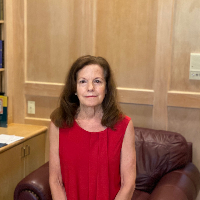
Massachusetts · 25 yrs exp
Collaborative, practical therapy focused on relationship
Stress, Anxiety · Relationship · Family · Self esteem · +14 more
Read profile
Texas · 6 yrs exp
Compassionate practical therapy for everyday life
Stress, Anxiety · Relationship · Parenting · Anger · +8 more
Read profile
Utah · 20 yrs exp
Experienced LCSW offering practical, compassionate care
Stress, Anxiety · Relationship · Grief · Depression · +12 more
Read profile
Georgia · 25 yrs exp
Experienced social worker focused on practical support
Stress, Anxiety · Parenting · Anger · Self esteem · +15 more
Read profile
Georgia · 17 yrs exp
Practical, person-centered counseling for complex needs
Relationship · Family · Trauma and abuse · Career · +13 more
Read profile
Pennsylvania · 15 yrs exp
Supportive counselor focused on practical change
Stress, Anxiety · Trauma and abuse · Sleeping · Self esteem · +9 more
Read profile
Utah · 25 yrs exp
Practical, values-focused therapy for everyday life
Stress, Anxiety · Family · Trauma and abuse · Anger · +15 more
Read profile
North Carolina · 10 yrs exp
Down-to-earth counselor blending body and mind work
Stress, Anxiety · LGBT · Relationship · Coping with life changes · +13 more
Read profile
Arkansas · 44 yrs exp
Seasoned LCSW-C offering practical, flexible care
Stress, Anxiety · Trauma and abuse · Grief · Self esteem · +16 more
Read profile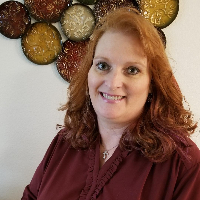
Idaho · 9 yrs exp
Compassionate, practical therapy for everyday challenges
Stress, Anxiety · Trauma and abuse · Anger · Depression · +13 more
Read profile
Texas · 5 yrs exp
Compassionate, practical support for everyday struggles
Stress, Anxiety · Relationship · Family · Trauma and abuse · +9 more
Read profile
New York · 25 yrs exp
Experienced LCSW focusing on practical support
Stress, Anxiety · Grief · Anger · Self esteem · +6 more
Read profile
Texas · 8 yrs exp
Compassionate, practical counseling for everyday challenges
Stress, Anxiety · Self esteem · Career · Depression · +8 more
Read profile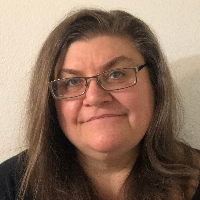
Washington · 24 yrs exp
Experienced Washington LMHC focused on practical change
Stress, Anxiety · Family · Trauma and abuse · Parenting · +11 more
Read profile
Wisconsin · 8 yrs exp
Compassionate Wisconsin social worker
Stress, Anxiety · Trauma and abuse · Self esteem · Depression · +16 more
Read profile
Ohio · 25 yrs exp
Compassionate, practical support for life changes
Relationship · Trauma and abuse · Intimacy-related issues · Self esteem · +4 more
Read profile
Florida · 32 yrs exp
Experienced Florida LCSW who adapts to your needs
Stress, Anxiety · Trauma and abuse · Grief · Depression · +14 more
Read profileWhen you are exploring support options, it helps to separate labels from the everyday concerns you want to address. ADHD commonly relates to attention, organization, impulsivity, and energy regulation, while intellectual disability is described in terms of support needs for learning, communication, and daily living tasks. These are different kinds of experience, and in some profiles you will see both listed as focus areas. That listing indicates a therapist has chosen to highlight those topics in their profile but does not replace a conversation about how they work with adults who face layered challenges.
Your primary interests may be emotional wellbeing, coping with stress, building routines that support independence, managing relationships, or reducing the strain that can come from juggling multiple demands. Therapists who list ADHD and intellectual disability among their focus areas often describe approaches intended to help people develop practical strategies and to explore emotional responses to everyday barriers. Use the profiles to learn about the ways practitioners describe their clinical emphasis, and look for language that matches the priorities you or a carer have identified.
Thinking about how ADHD and intellectual disability might interact is less about assigning cause and more about identifying what gets in the way of daily goals. You may be focused on communication in relationships, reducing anxiety around tasks, strengthening routines that support independence, or managing sensory or environmental triggers that heighten stress. Consider whether your current concern is emotional - such as coping with frustration or low mood - or practical - such as developing strategies for planning and time management - and look for therapists who emphasize those outcomes in their descriptions.
Family members and carers often play a central role in helping an adult with an intellectual disability and ADHD navigate appointments, transportation, or follow-up between sessions. Profiles sometimes mention collaborative or carer-inclusive work, but the presence of a focus area does not imply a therapist will take a particular approach to involvement. If relationship dynamics or carer support are important to you, seek profiles that discuss collaboration, communication style, or the therapist's experience working alongside support networks. That information helps you identify practitioners whose focus aligns with the kind of emotional and practical support you want.
When you review profiles, prepare concrete questions that will clarify how a therapist describes their work. Ask whether they have experience supporting adults with similar needs and how they adapt their approach for cognitive, communication, or sensory differences. Rather than assuming a particular method is used, ask therapists how they tailor common approaches such as skills-based strategies, structure and routine work, or techniques focused on emotional regulation for people with an intellectual disability.
It is useful to ask how a practitioner frames goals and measures progress. You might inquire whether they use practical, task-focused sessions to practice new strategies between meetings, or whether they focus more on exploring feelings, relationships, and stress management. Also ask about communication style and session pacing - for example, whether explanations are given in plain language or supported by visual aids - and whether they are willing to include or coordinate with a carer or advocate when you request it. These questions help you understand whether the therapist's day-to-day style and experience fit what you need.
If you are considering online or remote sessions, there are specific topics to cover so the experience meets your needs. Talk about what platform or communication method the therapist uses and whether it supports the ways you prefer to interact, such as video, phone, or text-based check-ins. Clarify how session length and structure will be used to support concentration and learning - some people do better with shorter, more frequent meetings while others prefer longer, less frequent sessions. Ask how the therapist plans to share resources or practice exercises between meetings.
Also discuss practical arrangements for sessions. If you participate from a shared home, you might agree on a quiet, comfortable environment that reduces interruptions. Ask how the therapist handles emergencies or urgent concerns that arise between sessions, and whether they will work with a named contact if you need support coordinating care. These are reasonable operational questions that help you feel confident about the logistics and support around remote work, without assuming anything about clinical outcomes.
Profiles are designed to help you weigh differences in focus and fit. Look at how a therapist describes their emphasis - whether they write about emotional support, problem-solving for daily tasks, relationships, or stress reduction - and compare that to your priorities. Pay attention to listed languages if communicating in a particular language matters to you. Language access can affect how comfortable you feel and how well complex experiences are understood.
Credentials in profiles often show degrees such as PhD, PsyD, MD, MA, or MSW. Those degrees tell you about academic background, but they are distinct from professional permission to practice. In the United States you will also see licensure abbreviations that indicate regulated permission to practice; in the United Kingdom and Australia practitioners may list registration, membership, or other professional identifiers. Read profile descriptions carefully to see how a therapist presents both their academic qualifications and their professional standing, and ask directly about the relevance of those credentials to the support you need.
Style matters as much as credentials. Some profiles describe a more direct, structured way of working, while others emphasize a reflective, exploratory approach. Consider how you process information, learn new skills, and prefer to receive feedback. Practical comparison questions include: How does this therapist set goals and review progress? How do they explain strategies and check for understanding? Are they willing to work with a carer or support person if you request that? Profiles and therapist descriptions give you starting points for those conversations so you can select a practitioner whose focus and style align with what matters most to you.
Using this page, you can explore profiles that list ADHD along with intellectual disability to find therapists whose written descriptions match your goals for emotional support, relationships, daily independence, and stress management. Profiles are a first step - reach out through the contact details on a profile to discuss your specific needs and how a therapist frames their work. With targeted questions about approach, communication, and practical arrangements, you can make an informed choice about who to speak with next.
Alabama
22 therapists
Alaska
2 therapists
Arizona
25 therapists
Arkansas
15 therapists
Australia
67 therapists
California
115 therapists
Colorado
50 therapists
Connecticut
11 therapists
Delaware
6 therapists
District of Columbia
3 therapists
Florida
164 therapists
Georgia
33 therapists
Hawaii
6 therapists
Idaho
18 therapists
Illinois
78 therapists
Indiana
36 therapists
Iowa
8 therapists
Kansas
16 therapists
Kentucky
25 therapists
Louisiana
38 therapists
Maine
8 therapists
Maryland
25 therapists
Massachusetts
23 therapists
Michigan
81 therapists
Minnesota
29 therapists
Mississippi
18 therapists
Missouri
57 therapists
Montana
13 therapists
Nebraska
2 therapists
Nevada
8 therapists
New Hampshire
3 therapists
New Jersey
46 therapists
New Mexico
7 therapists
New York
107 therapists
North Carolina
75 therapists
North Dakota
4 therapists
Ohio
45 therapists
Oklahoma
35 therapists
Oregon
11 therapists
Pennsylvania
74 therapists
Rhode Island
3 therapists
South Carolina
25 therapists
South Dakota
5 therapists
Tennessee
28 therapists
Texas
182 therapists
United Kingdom
447 therapists
Utah
19 therapists
Vermont
3 therapists
Virginia
34 therapists
Washington
19 therapists
West Virginia
7 therapists
Wisconsin
40 therapists
Wyoming
6 therapists