Therapist
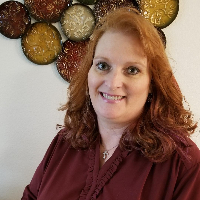
Shelly Sanders
LCSW
Compassionate, practical therapy for everyday challenges
Opens BetterHelp in a new tab. There you can look at online therapy options.
Step 1
- Client-centered care
- Trauma-informed methods
- Practical coping skills
About Shelly
Shelly uses a client-centered style that focuses on each person's goals. She listens for strengths and practical needs, then builds a plan together. That plan tends to be specific, time-sensitive, and aimed at real changes people can notice between sessions.
Her practice draws on several well-known methods. Cognitive Behavioral Therapy (CBT) is used to identify and change unhelpful thinking and behavior patterns. Dialectical Behavior Therapy (DBT) skills support emotional regulation and distress tolerance. Attachment-Based work helps address patterns that come from early relationships.
Shelly also offers EMDR-style bilateral stimulation when it fits a client's needs and therapy goals. She has nine years of experience as a therapist and has worked in mental health settings for longer. That background includes work with children, adolescents, and adults in a variety of clinical roles.
In sessions she stays practical and compassionate. Parents can expect clear guidance on parenting challenges and strategies that fit daily life. Adults receive focused support for mood, trauma, and life transitions with an emphasis on usable coping skills.
Step 2
Areas of expertise
Primary focus
Also works with
Additional focus areas
Therapeutic approaches
Experience
9+ years
Credentials
Idaho
Languages
English
Step 3
How Shelly’s Approaches Translate to Online Work
Attachment-Based Therapy looks at patterns in close relationships and how they shape feelings and reactions today. Online sessions can help people notice those patterns and practice different ways of connecting and responding.Client-Centered Therapy focuses on the client's own goals and pace. In virtual sessions the therapist listens closely, reflects concerns back, and helps clients choose practical next steps that fit their daily life.
Cognitive Behavioral Therapy (CBT) targets unhelpful thoughts and behaviors through short exercises and homework. Online work often makes it easy to try small behavioral changes between sessions and review results together.
Finding the right approach is part of the process. Shelly will collaborate with each person to identify which methods match their needs, goals, and preferences. This helps keep the work relevant and manageable as progress is tracked over time.
Session formats are not specified in the biography, so please confirm current options before booking. Many people find online sessions help them fit therapy into work, school, or caregiving schedules. Other practical benefits include easier access when travel is difficult, the ability to use shorter check-ins when time is limited, and options that reduce the need to commute.
Step 4
Frequently asked questions
What concerns does Shelly commonly help with?
Shelly works with stress, anxiety, trauma and abuse, anger, depression, ADHD, addictions, relationship and family issues, grief, intimacy-related issues, eating and sleeping problems, parenting concerns, self esteem, and coping with life changes.
What is her therapeutic style like?
Her style is warm and client-centered. She aims for practical plans, clear goals, and skills you can use between sessions.
What is her professional background?
She is a licensed clinical social worker with nine years of experience as a therapist and additional years in mental health roles working with children, adolescents, and adults.
Where is she located and what credential does she hold?
Shelly practices in Idaho and holds the credential LCSW, listed as ID LCSW -.
Which languages are supported in sessions?
Sessions are offered in English.
Can people outside the United States work with her?
She is not currently accepting international clients.
How does payment and cost work?
Cost varies with location and therapist availability; sessions use a subscription that can be canceled at any time.
How do I begin therapy with Shelly?
Click the Start Therapy button, complete a short matching questionnaire, and schedule according to therapist availability.
Step 5