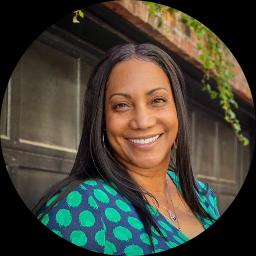
Therapist
Rhonda Davis
LMSW
Practical, collaborative therapy for everyday challenges
Opens BetterHelp in a new tab. There you can look at online therapy options.
Step 1
- 15 years experience
- Michigan based
- Skill focused
About Rhonda
She helps people identify the roots of difficult feelings and build coping strategies that fit daily life. That can mean working on sleep and eating habits, improving communication, managing anger, or finding new purpose after a loss. She also offers support around addiction, trauma and abuse, grief, intimacy concerns, and issues related to ADHD and bipolar conditions.
Rhonda uses a mix of therapeutic tools rather than one single method. Her work draws from Acceptance and Commitment Therapy, Cognitive Behavioral Therapy, attachment-based ideas, client-centered listening, and mindfulness practices. She blends these approaches to match each person’s needs and goals.
Parents and caregivers looking for practical coaching around balance, caregiver stress, or parenting strain may find the focus useful. She also notes experience with concerns like aging, attachment issues, autism and Asperger syndrome, body image, and gender dysphoria among other areas.
Rhonda aims for a collaborative tone in sessions. She emphasizes small, realistic steps and real-world skills. People who prefer straightforward feedback and hands-on strategies for coping often connect well with her style.
Step 2
Areas of expertise
Primary focus
Also works with
Additional focus areas
Therapeutic approaches
Experience
15+ years
Credentials
Michigan
Languages
English
Step 3
How therapy approaches translate to online work
Acceptance and Commitment Therapy (ACT) focuses on clarifying values and taking small, meaningful steps toward them. It helps when worry or avoidance keeps someone from living the life they want. Cognitive Behavioral Therapy (CBT) looks at patterns of thought and behavior and teaches concrete skills to change unhelpful cycles; it is often used for anxiety, depression, and sleep or eating concerns. Mindfulness-based ideas teach simple attention and breathing practices to reduce reactivity and improve mood.Finding the right approach is part of the work. The therapist will collaborate with the person to choose methods that match goals, preferences, and what actually fits into daily routines. That could mean mixing ACT, CBT, and mindfulness or focusing on one pathway for a while.
Session formats are not specified in the biography, so confirm current options before booking. Online work can make it easier to fit therapy into a busy week, allow shorter check-ins when needed, and reduce travel time. It also lets people use strategies learned in session directly in their everyday settings, which can help make changes stick.
Step 4
Frequently asked questions
What concerns does Rhonda help people with?
She works with stress, anxiety, depression, grief, trauma and abuse, addictions, relationship and intimacy issues, ADHD, bipolar concerns, and many life changes.
What is her therapeutic style like?
Rhonda uses a collaborative, practical style that focuses on skills people can use between sessions and straightforward problem solving.
How much clinical experience does she have?
She has 15 years of practice as a Licensed Master Social Worker in Michigan.
What credentials and location are listed?
Rhonda is listed as an LMSW and practices in Michigan.
Which languages are supported for sessions?
Sessions are offered in English.
Can international clients schedule with her?
She is not currently accepting international clients.
How is cost structured for sessions?
Cost varies with location and therapist availability; sessions use a subscription that can be canceled at any time.
How do I start a session with Rhonda?
Select the Start Therapy button, complete a short matching questionnaire, and schedule according to therapist availability.
Step 5