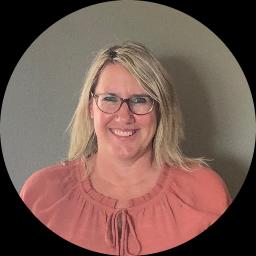
Therapist
Dr. Tracy Williams
MN Psychologist LP6201, SD Psychologist 419
Experienced psychologist who values your strengths
Opens BetterHelp in a new tab. There you can look at online therapy options.
Step 1
- Practical and goal oriented
- Warm and direct listener
- 24 years experience
About Tracy
She brings 24 years of experience and holds licensure as a Minnesota Psychologist, LP6201, and a South Dakota Psychologist, 419. She is a parent and grandparent and draws on that lived experience when supporting people with parenting and family challenges. Her work often focuses on relationship concerns, parenting stress, anger, self esteem, anxiety, and the effects of past trauma.
In sessions she aims for direct conversation about what is most pressing. She uses clear tools from cognitive behavioral approaches to address unhelpful thoughts and behaviors. She also listens for deeper patterns that come from life history and relationships, drawing on psychodynamic ideas when those patterns matter.
Dr. Williams also uses client-centered and solution-focused methods to keep work practical and goal oriented. Trauma-focused techniques are applied when past events are part of current struggles. She tailors each meeting so it fits the person in front of her rather than following a fixed script.
People often come for help with grief, sleep problems, ADHD, bipolar depression, caregiving burden, chronic illness, and communication issues. She notes intellectual disability among areas of focus and approaches each case with respect for the individual's strengths and challenges.
Step 2
Areas of expertise
Primary focus
Also works with
Additional focus areas
Therapeutic approaches
Experience
24+ years
Credentials
South Dakota, Minnesota, Iowa
Languages
English
Step 3
How different methods are used in online work
Client-centered therapy focuses on the person in the room and follows their pace. The therapist listens closely, reflects what she hears, and helps people notice their own choices and strengths. Cognitive behavioral therapy (CBT) looks at the links between thoughts, feelings, and actions and gives concrete strategies to change unhelpful patterns. Psychodynamic work pays attention to recurring life patterns and relationships and helps make those patterns clearer so people can try new behaviors.Choosing which approach to use is a collaborative process. The therapist will talk with the client about goals and preferences and try methods that fit those priorities. If one way of working is not helping, she will adjust the plan so sessions stay useful and focused on progress.
The original biography does not specify which online session formats are offered, so confirm current options before booking. Online work can make it easier to fit therapy into a busy life by reducing travel and allowing shorter check-ins when needed. It can also accommodate people who prefer not to be on video or who need sessions at times that fit parenting, caregiving, or work schedules. Licensed professionals can use different approaches effectively over distance when sessions are arranged to match each person’s needs.
Step 4
Frequently asked questions
What kinds of concerns does this therapist address?
She works with a wide range of issues including relationship struggles, parenting challenges, anger, self esteem, anxiety, trauma and abuse, grief, sleep problems, ADHD, bipolar disorder, depression, stress, and caregiving or chronic illness concerns.
How would you describe the therapeutic style?
The approach blends clear, practical work with open listening. Tools from cognitive behavioral therapy are used alongside client-centered and solution-focused conversations, with attention to life patterns when helpful.
What background and experience does the therapist have?
She has 24 years of professional experience and describes herself as a parent and grandparent, which informs her perspective on family and parenting issues.
What credentials and location apply to this therapist?
She is licensed as a Minnesota Psychologist, LP6201, and a South Dakota Psychologist, 419, and practices from South Dakota.
Which languages are supported and can international clients participate?
Sessions are offered in English. International clients are not currently accepted.
What session formats are offered?
The original biography does not list specific session formats; please confirm current session options before booking to ensure they meet your needs.
How does payment and cost work?
Cost varies with location and therapist availability; sessions use a subscription that can be canceled at any time.
How do I begin working with this therapist?
Start by selecting the Start Therapy button, complete a short matching questionnaire, and schedule according to therapist availability.
Step 5