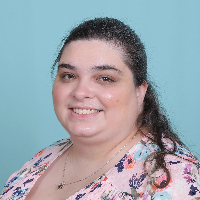
Therapist
Rebecca Burda
LCSW
Straightforward, person-centered clinical social worker
Opens BetterHelp in a new tab. There you can look at online therapy options.
Step 1
- Child and adolescent focus
- Trauma informed care
- Skills based approach
About Rebecca
Rebecca has worked with a wide range of concerns. These include depression, anxiety, trauma, ADHD, autism, and mood disorders. She has experience supporting people with mild to moderate cognitive disabilities alongside other mental health needs, and she lists intellectual disability among areas of focus.
Her style is person-centered and trauma informed. She listens first, then helps people set clear, practical goals. Rebecca uses tools people can try between visits to help with stress, emotion regulation, and relationships.
Rebecca offers evidence-based methods such as Cognitive Behavioral Therapy, Dialectical Behavior Therapy, Eye Movement Desensitization and Reprocessing, mindfulness, and motivational interviewing. She adapts these methods to each person’s goals and situation rather than following a single script.
Many clients come with questions about parenting, school challenges, mood shifts, or feeling overwhelmed. Rebecca works with parents and caregivers to address those stresses and to build strategies that fit daily life. She aims for straightforward guidance and steady progress.
Rebecca encourages anyone feeling stuck to reach out. The first step is a short matching questionnaire and then scheduling a session based on availability. She accepts clients in English and works with people located in Wisconsin as well as international clients.
Step 2
Areas of expertise
Primary focus
Also works with
Additional focus areas
Therapeutic approaches
Experience
9+ years
Credentials
Wisconsin, Minnesota, Tennessee, Illinois
Languages
English
Step 3
Therapeutic approaches and how they work online
Client-centered therapy focuses on understanding each person's experience and goals. The therapist listens without judgment, helps clarify what matters to the client, and tailors support to fit those goals. This approach is often helpful for people who want a collaborative, respectful process.Cognitive Behavioral Therapy, or CBT, looks at patterns of thinking and behavior that keep problems going. It breaks issues into manageable steps and uses practical exercises to change reactions to stress, anxiety, and mood problems. This approach is useful for people who prefer structured tools and homework between sessions.
Dialectical Behavior Therapy, or DBT, teaches skills for handling strong emotions, improving relationships, and reducing impulsive behavior. It includes techniques for grounding, distress tolerance, and clearer communication, which can help with anger, mood swings, and impulsivity.
Finding the best approach is part of therapy. The therapist will work together with each person to choose methods that match their needs, goals, and preferences. That collaborative process may include trying one method, blending techniques, or shifting focus as progress is made.
The profile does not list specific session formats, so confirm available options before booking. Online therapy can make it easier to fit sessions into a busy life, reduce travel time, and allow shorter check-ins when schedules are tight. Some formats need less bandwidth or do not require being on camera, which can help people choose what works for them while keeping their daily routines intact.
Step 4
Frequently asked questions
What concerns does Rebecca commonly address?
She works with issues such as stress, anxiety, depression, trauma and abuse, ADHD, bipolar mood disorders, parenting stresses, and relationship or family problems.
How would you describe her therapeutic style?
Her approach is person-centered and trauma informed. She aims to be genuine and practical, helping people set clear goals and learn skills to manage emotions and stress.
What is her clinical background and experience?
Rebecca is a Licensed Clinical Social Worker with nine years of experience working with ages 4 through 60+. She has spent primary time supporting children, adolescents, young adults, and parents or caregivers.
What credentials and location are on record?
She holds the LCSW credential and practices in Wisconsin with licensure in Illinois and Wisconsin noted as IL LCSW and WI LCSW.
In which languages can sessions be held and are international clients supported?
Sessions are offered in English, and she accepts international clients.
What session formats are available?
The original profile does not list specific session formats. Please confirm current session options before booking so you know whether phone, video, or other formats are offered.
How does billing and cost work for sessions?
Costs vary by location and therapist availability. Sessions use a subscription model that can be canceled at any time.
What are the first steps to start working together?
Use the Start Therapy button, complete a short matching questionnaire, and then schedule appointments according to the therapist's availability.
Step 5