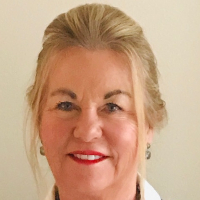
Therapist
Penni Mitchell
LCSW
Warm, practical therapy with an experienced LCSW
Opens BetterHelp in a new tab. There you can look at online therapy options.
Step 1
- 30 years experience
- Florida LCSW
- Client-centered care
About Penni
She holds a Master of Social Work and a Master of Education and lists Florida LCSW as her credential. Her work draws on a variety of approaches so sessions can be adjusted to what a person needs. Penni describes her style as natural and nonjudgmental, focused on helping people name problems and try small, realistic steps toward improvement.
In sessions she uses tools from client-centered work, cognitive behavioral methods, dialectical behavior ideas, emotionally-focused techniques, and hypnotherapy when appropriate. That mix lets her help with mood, anxiety, coping skills, relationship patterns, and behaviors tied to addiction or stress. She pays attention to practical skills as well as emotional understanding.
People who choose her often want straightforward help with parenting, career stresses, ADHD, trauma, or complicated loss. Penni also notes experience with adoption and foster care, attachment and aging concerns, autism and co-occurring conditions. She adapts the plan to each person's history and goals.
Those who want to get started can expect a collaborative process. Penni works to identify priorities, teach concrete coping strategies, and set small goals that fit daily life.
Step 2
Areas of expertise
Primary focus
Also works with
Additional focus areas
Therapeutic approaches
Experience
30+ years
Credentials
Florida
Languages
English
Step 3
How therapeutic approaches shape online care
Client-Centered Therapy focuses on empathetic listening and working at the client's pace; it helps people feel heard and supported while they sort out what matters most. Cognitive Behavioral Therapy, or CBT, breaks problems into thoughts, feelings, and actions and teaches straightforward skills to change patterns that keep someone stuck.Deciding which approach to use is a collaborative process. The therapist will talk with the client about goals, what has helped in the past, and practical needs. Together they will try methods that match the person's situation and adjust them over time if something isn't helpful.
Practical benefits of online therapy include fitting sessions into a busy schedule and avoiding travel time. Online work can make it easier to keep regular appointments, check in between meetings when needed, and practice skills in everyday settings. Session formats are not specified in the biography, so confirm the current options before booking to ensure they fit your routine.
Step 4
Frequently asked questions
What kinds of problems does she help with?
She works with stress, anxiety, depression, addictions, grief, relationship and intimacy issues, parenting and career concerns, ADHD, and related areas listed in her specialties.
How would you describe her therapy style?
Her style is warm and nonjudgmental and emphasizes practical steps. Sessions combine listening, skill teaching, and gentle challenge as needed.
What is her professional background?
She has more than 30 years of practice and holds a Master of Social Work and a Master of Education.
Where is she licensed and based?
She is licensed as an LCSW in Florida and lists Florida as her location.
Which languages are supported for sessions?
Sessions are offered in English and she accepts international clients.
What session formats are available?
Session formats are not specified in the biography; please confirm current session options with the service before booking.
How are fees and payment handled?
Cost varies with location and therapist availability, and sessions use a subscription that can be canceled at any time.
How do I begin working with her?
Use the Start Therapy button, complete a short matching questionnaire, and schedule according to the therapist's availability.
Step 5