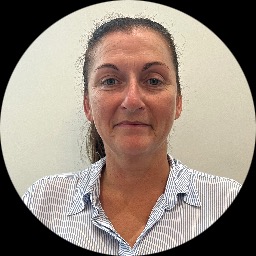
Therapist
Jill Corbey
NCPS
Practical support for stress and emotional challenges
Opens BetterHelp in a new tab. There you can look at online therapy options.
Step 1
- Compassionate listening
- Practical tools
- Goal focused
About Jill
Jill holds NCPS and has four years of professional experience in the United Kingdom. She describes her work as respectful and compassionate, and she adapts conversations and plans to each person’s needs. People can expect practical conversation that looks at what is happening now and what might help next.
Her practice covers a wide set of concerns such as coping with life changes, ADHD, bipolar mood challenges, parenting strain and compassion fatigue. She also supports people dealing with complex issues like attachment difficulties, autism and Asperger syndrome, chronic illness or pain, and bereavement. Jill lists work on intimacy, eating and body image concerns as part of her focus.
Jill uses a mix of well‑known approaches when working with clients. She draws on Acceptance and Commitment Therapy, Cognitive Behavioural Therapy and Dialectical Behaviour Therapy alongside attachment‑based and client‑centred ways of working. The aim is to combine practical tools with space for the feelings behind them.
If you are unsure where to start, Jill invites people to take the first step. She will tailor an initial plan after a short assessment of needs and goals.
Step 2
Areas of expertise
Primary focus
Also works with
Additional focus areas
Therapeutic approaches
Experience
4+ years
Credentials
United Kingdom
Languages
English
Step 3
How therapeutic approaches can work online
Acceptance and Commitment Therapy, or ACT, focuses on helping people notice tough thoughts and feelings without getting stuck, and then take steps that matter to them. It can help with anxiety, stress and coping with life change. Cognitive Behavioural Therapy, CBT, looks at how thoughts, feelings and behaviours connect and uses practical exercises to shift unhelpful patterns; it is often used for anxiety, depression and sleep problems. Attachment‑based therapy pays attention to relationship patterns and early bonds to make sense of how current relationships affect mood and behaviour, which can help with intimacy and attachment difficulties.Finding the right approach is part of the work. Jill will talk with each person about their goals and preferences and then tailor which methods to try. That means the therapy plan can change as things move forward, and the client helps set the pace and focus.
If you are considering online sessions, check the therapist's current session formats before booking because this biography does not specify them. Online work can make it easier to fit therapy into daily life, reduce travel time and allow shorter check‑ins when needed. Some methods lend themselves to practical at‑home exercises and worksheets, while others focus more on conversational work, so Jill will agree the best mix with you during the first appointments.
Step 4
Frequently asked questions
What kinds of issues does Jill help with?
Jill works with anxiety, stress, depression, anger and trauma among other concerns. She also lists areas such as grief, sleep and eating problems, ADHD and relationship or intimacy issues.
How would you describe her therapeutic style?
Her style combines practical techniques with empathic listening. Sessions aim to balance skills practice and talking about the feelings that sit behind problems.
What is Jill's professional background?
Jill has four years of professional experience working in the United Kingdom. She emphasises respect, sensitivity and adapting plans to each person.
What credentials does she hold and where is she based?
She is listed with NCPS and works in the United Kingdom.
Which languages are sessions offered in?
Sessions are offered in English, and she accepts international clients.
What session formats are available?
Please confirm current session format options before booking, as the biography does not specify which formats Jill offers.
How does pricing work for sessions?
Cost varies with location and therapist availability; sessions use a subscription that can be cancelled at any time.
How do I begin working with Jill?
Choose the Start Therapy button, complete a short matching questionnaire, and then schedule according to therapist availability.
Step 5