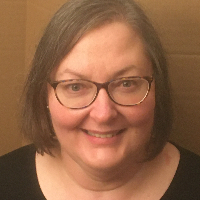
Therapist
Jennifer McCann
LCSW
Practical, accessible therapy with ASL support
Opens BetterHelp in a new tab. There you can look at online therapy options.
Step 1
- ASL fluent
- Strengths focused
- Trauma informed
About Jennifer
Step 2
Areas of expertise
Primary focus
Also works with
Additional focus areas
Therapeutic approaches
Experience
22+ years
Credentials
Maine
Languages
English, American Sign Language
Step 3
How therapy approaches translate to online care
Client-centered therapy focuses on listening and following each person's lead. Online sessions allow the therapist to ask questions, reflect feelings, and work at a comfortable pace so clients can name goals and try steps between meetings. Cognitive behavioral therapy (CBT) breaks problems into thoughts, behaviors, and feelings and uses short exercises to test different choices; this can include homework like tracking moods or trying a new behavior between sessions. Mindfulness therapy teaches simple attention and breathing practices to reduce anxiety and improve focus, which people can practice in brief moments during the day.Finding the right approach is usually a joint process. The therapist will talk with the client about their goals, try methods that fit those goals, and adjust plans as needed. This helps make sessions feel relevant and workable for the person in front of her.
Session formats are not listed in the biography, so confirm current options before booking. Many people choose online therapy because it can fit into busy lives, reduce travel time, and make it easier to keep regular appointments. Others prefer in-person meetings for a different feel; discuss preferences during the first scheduling steps to find what will work best.
Step 4
Frequently asked questions
What concerns does Jennifer help with?
Jennifer works with stress, anxiety, depression, trauma and abuse, addiction, relationship and intimacy issues, grief, parenting strain, ADHD, and many related concerns.
How would you describe her approach in session?
She uses a client-centered style that prioritizes rapport and collaboration, combined with techniques from cognitive behavioral therapy, mindfulness, and solution-focused work.
How much experience does she have?
Jennifer has 22 years of experience as a licensed clinical social worker working with adults, including people with intellectual and developmental disabilities and D/deaf or hard of hearing clients.
Where is she located and licensed?
She practices in Maine and holds the LCSW credential listed as ME LCSW.
Which languages are supported in sessions?
Sessions are offered in English and American Sign Language, and she has experience working with Deaf, Hard of Hearing, and Deaf Blind people.
Can international clients work with her?
International clients are not currently accepted.
How is cost handled for sessions?
Cost varies with location and therapist availability; sessions use a subscription model that can be canceled at any time.
What are the first steps to begin therapy?
Click the Start Therapy button, complete a short matching questionnaire, and then schedule sessions according to the therapist's availability.
Step 5