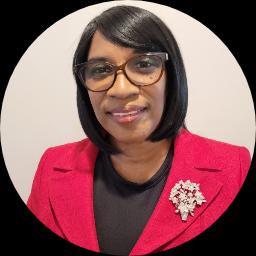
Therapist
Dr. Jacquelyn Mentor
LMHC
Compassionate counselor offering steady, practical support
Opens BetterHelp in a new tab. There you can look at online therapy options.
Step 1
- Warm and nonjudgmental
- Practical coping tools
- Experience with grief
About Jacquelyn
Her path includes personal losses and caregiving that shaped her approach to care. She holds a B.S. and M.S. in Psychology and an Ed.D in Counseling Psychology. She also serves as an LMHC supervisor and brings long experience working with grief, parenting struggles, relationship problems, anxiety, depression, trauma, and behavioral concerns.
In sessions she focuses on clear, practical help. She provides psychoeducation and simple resources clients can try between meetings. The style is warm and direct, with attention to each person’s values and faith when that matters to the client.
She has worked with people affected by domestic violence, developmental disabilities, workplace stress, and caregiving strain. That experience informs how she helps people manage anger, grief, addiction concerns, and major life changes.
Clients can expect a steady, respectful presence and collaborative problem solving. The therapist aims to be genuine and professional while helping people build coping skills and improve communication. Prospective clients should confirm current session options before booking.
Step 2
Areas of expertise
Primary focus
Also works with
Additional focus areas
Therapeutic approaches
Experience
23+ years
Credentials
Florida
Languages
English
Step 3
How these approaches guide online support
The therapist uses Client-Centered Therapy to create a listening, empathetic space where people can talk through what matters most and set goals at their own pace. This approach helps when someone needs understanding and a chance to be heard before making changes.Cognitive Behavioral Therapy, or CBT, is used to help identify unhelpful thinking and try practical steps to change behavior and mood. CBT can be useful for anxiety, depression, stress, and managing symptoms tied to everyday routines.
Finding the right approach is part of the work. The therapist will collaborate with each person to decide which methods fit their needs, goals, and preferences. That process can take a few sessions and may combine listening-focused and skills-based techniques.
If you are considering online therapy, confirm the current session options before booking. Online sessions can make it easier to fit therapy into a busy life, reduce travel time, and allow shorter check-ins when needed. Licensed professionals can help schedule based on what works for the client and adapt tools and worksheets for remote use.
Step 4
Frequently asked questions
What issues does this therapist address?
She works with stress, anxiety, depression, grief, trauma and related concerns such as parenting, relationship problems, addiction, and ADHD.
What is her general approach in sessions?
She uses a warm, nonjudgmental style and emphasizes listening, psychoeducation, and practical tools clients can use between sessions.
How long has she been practicing?
She has 23 years of clinical experience working in areas like grief, trauma, caregiving stress, and developmental disabilities.
What credentials and location are listed?
She is an LMHC (Licensed Mental Health Counselor) based in Florida and also serves as an LMHC supervisor.
Which languages are supported for sessions?
Sessions are offered in English.
Can people outside the United States work with her?
She does not accept international clients at this time.
How are fees and payment handled?
Cost varies with location and therapist availability; sessions use a subscription that can be canceled at any time.
How do I begin working with her?
Use the Start Therapy button, complete a short matching questionnaire, and schedule according to therapist availability.
Step 5