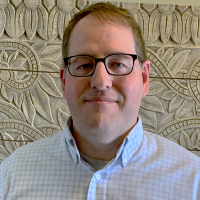
Therapist
Freddy Honeycutt
LPC
Calm, direct counseling for everyday challenges
Opens BetterHelp in a new tab. There you can look at online therapy options.
Step 1
- Person-centered approach
- CBT tools
- Trauma-aware care
About Freddy
He uses a person-centered style that puts the client's needs and pace first. Sessions often include practical tools from Cognitive Behavioral Therapy to manage thoughts and behaviors. He also draws on existential and Jungian ideas to help people find meaning and address deeper questions about life and identity.
Freddy has 13 years of counseling experience and holds LPC credentials in South Carolina and Georgia. His background includes both rehabilitation counseling and clinical mental health work, and he has spent much of his career helping people who face overlapping challenges that systems sometimes miss. He is a combat veteran and served as a medic during Operation Iraqi Freedom, which informs his understanding of trauma and recovery.
In conversation he tends to be frank, encouraging, and sometimes uses humor and metaphor. He invites clients to explore options, make choices, and take steps that fit their lives. If you are thinking about starting therapy, he asks you to begin where you are and to shape the process together.
Step 2
Areas of expertise
Primary focus
Also works with
Additional focus areas
Therapeutic approaches
Experience
13+ years
Credentials
Georgia, South Carolina
Languages
English
Step 3
Approaches that translate to online care
Freddy commonly uses Client-Centered Therapy and Cognitive Behavioral Therapy in his work. Client-Centered Therapy focuses on listening and reflecting so the person leads the pace and topics; this helps when someone needs a nonjudgmental space to sort through feelings. Cognitive Behavioral Therapy (CBT) teaches concrete skills to change unhelpful thoughts and behaviors, which is useful for anxiety, depression, and stress management.Finding the right approach is part of the therapy process. Freddy will work with each person to decide which methods fit their needs, goals, and preferences. That collaboration can include trying different techniques and adjusting the plan as progress is made.
Confirm the current session options before booking since formats are not specified here. Online work can make it easier to fit therapy into a busy life by reducing travel and allowing sessions during breaks or evenings. It can also support shorter check-ins when needed or let someone use audio-only if video is difficult. Licensed professionals can adapt these approaches to remote conversations so that skill-building, reflection, and problem-solving continue between sessions.
Step 4
Frequently asked questions
What concerns does Freddy address?
He works with a wide range of issues including anxiety, depression, stress, grief, relationship and intimacy concerns, anger, ADHD, and intellectual disability related challenges.
What is his therapeutic style like?
He uses a person-centered, collaborative style with practical techniques from Cognitive Behavioral Therapy and other approaches. Sessions combine support, honest feedback, and tools you can try between meetings.
What experience does he bring?
He has 13 years of counseling experience across rehabilitation and clinical mental health settings, and a history of work with people who have complex needs.
What credentials and location are listed?
He is a Licensed Professional Counselor (LPC) with credentials in South Carolina and Georgia and practices in South Carolina.
Which languages are supported for sessions?
Sessions are offered in English only.
Can international clients work with him?
He does not accept international clients at this time.
How are sessions charged?
Cost varies with location and therapist availability; sessions use a subscription that can be canceled at any time.
How do I begin the process?
Click the Start Therapy button, complete a short matching questionnaire, and then schedule according to therapist availability.
Step 5