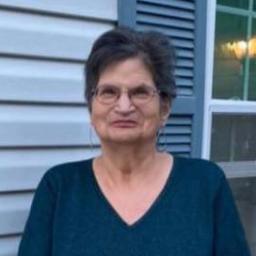
Therapist
Darlene Narvae
LPC
Compassionate counselor with 30 years' experience
Opens BetterHelp in a new tab. There you can look at online therapy options.
Step 1
- Warm and interactive
- Practical coping skills
- Individualized plans
About Darlene
Clients can expect a warm, interactive atmosphere where conversation guides the work. Sessions focus on practical steps as well as emotional reflection. Darlene adapts what she does to each person's needs rather than using a single one-size-fits-all method.
Her approach brings together elements from cognitive behavioral therapy, client-centered methods, acceptance and commitment therapy, dialectical behavior therapy, and mindfulness. That mix is used to build coping skills, manage emotions, and set concrete goals for change.
Darlene pays attention to life context, including chronic health issues, caregiving stress, and the effects of aging. She also works with concerns such as body image, grief, sleeping and eating difficulties, and the fallout of relationship breakdowns.
She aims to make the process collaborative and straightforward. Conversations are focused on what matters now, with tools and homework when helpful. When someone is ready to take the next step, she guides planning and supports follow-through.
Step 2
Areas of expertise
Primary focus
Also works with
Additional focus areas
Therapeutic approaches
Experience
30+ years
Credentials
New Jersey
Languages
English
Step 3
How her approaches translate to online work
Acceptance and Commitment Therapy (ACT) helps people clarify what matters most to them and then take committed steps toward those values. It can be useful for anxiety, depression, and coping with life changes. Cognitive Behavioral Therapy (CBT) focuses on identifying unhelpful thought patterns and testing new behaviors to reduce symptoms like worry or low mood. It often includes simple exercises and homework between sessions. Client-Centered Therapy emphasizes listening, empathy, and collaboration so the person feels heard and can steer their own progress.Finding the right approach is part of the early work together. Darlene will discuss goals, preferences, and daily life constraints and then recommend methods to try. That decision is collaborative and can change over time as progress and needs evolve.
If you are considering online sessions, confirm the specific formats available before booking. Online work can make it easier to fit therapy into a busy week, avoid travel time, and have shorter check-ins when needed. It also supports continued work after a move or during life transitions. The therapist will explain the practical options when you schedule and help choose what fits your routine best.
Step 4
Frequently asked questions
What concerns does she help with?
Darlene works with a wide range of concerns including stress, anxiety, depression, addictions, trauma and abuse, relationship and intimacy issues, grief, ADHD, and caregiving stress.
What is her therapeutic style like?
Her style is described as warm and interactive, focusing on respectful, compassionate conversation and practical steps tailored to each person.
How much experience does this therapist have?
She has 30 years of clinical experience working with many common mental health and life challenges.
What credentials and region apply?
She is a Licensed Professional Counselor, LPC, and practices in New Jersey.
Which languages are supported for sessions?
Sessions are offered in English.
Are international clients supported?
She does not accept international clients at this time.
How are costs and payment handled?
Cost varies with location and therapist availability; sessions are provided through a subscription model that can be canceled at any time.
How do I begin working with her?
Use the Start Therapy button, complete a short matching questionnaire, and schedule according to the therapist's availability.
Step 5