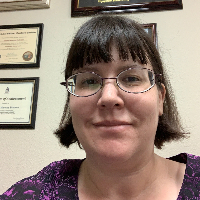
Therapist
Bethany Maroney-Peterson
LMFT
Compassionate therapy for life and relationship challenges
Opens BetterHelp in a new tab. There you can look at online therapy options.
Step 1
- Practical coping skills
- Attachment focus
- Collaborative approach
About Bethany
Bethany draws on approaches such as Attachment-Based Therapy, Client-Centered Therapy, Cognitive Behavioral Therapy, Dialectical Behavior Therapy, and Solution-Focused Therapy. She uses those methods to help people manage overwhelming feelings, improve communication, and build concrete coping skills. Sessions focus on practical steps and small changes that add up over time.
With 16 years of clinical experience, Bethany tailors sessions to each person’s needs. She pays attention to family dynamics, attachment patterns, and the stresses that caregivers and parents often face. Her work also addresses loss, intimacy concerns, codependency, and issues tied to adoption or blended families.
Her approach emphasizes teamwork - the therapist and client decide the focus together. Bethany aims to teach tools that clients can use after sessions end. She keeps language simple and explanations clear so parents and individuals can apply strategies day to day.
People who want straightforward guidance and skill-building often find her approach helpful. She invites clients to start from where they are and work at a pace that fits their life and goals.
Step 2
Areas of expertise
Primary focus
Also works with
Additional focus areas
Therapeutic approaches
Experience
16+ years
Credentials
California
Languages
English
Step 3
How Bethany's Approaches Translate to Online Work
Attachment-Based Therapy focuses on how early relationships shape how people connect now. It helps people who struggle with trust, closeness, or repeated relationship patterns by looking at attachment needs and teaching new ways of relating. Cognitive Behavioral Therapy, or CBT, breaks problems into thoughts, feelings, and behaviors and uses practical exercises to change unhelpful patterns; it is often used for anxiety, depression, and stress. Client-Centered Therapy centers the client's own experience, using empathic listening and reflection so people feel heard and can discover solutions that fit their life.Bethany approaches the choice of method as a shared decision. She will work with each person to decide which approaches to try first, and adjust based on how things are going. The process is collaborative and goal-focused so the plan reflects the client's needs and preferences.
Confirm session formats before booking, as the current profile does not specify options. Online work can make it easier to fit therapy into a busy schedule, reduce travel time, and allow shorter check-ins when needed. It also makes it simpler to use real-life examples from home and daily routines during sessions. Licensed professionals can adapt these approaches to work well at a distance, and Bethany will help tailor sessions to fit each person's circumstances and goals.
Step 4
Frequently asked questions
What concerns does Bethany address?
She supports people coping with trauma and abuse, depression, anxiety, parenting stress, relationship and family problems, grief, and issues like ADHD and bipolar mood challenges.
What is her therapeutic style?
The approach is warm, relaxed, and collaborative. Sessions emphasize clear, practical steps and skill-building rather than long explanations.
How much experience does she have?
Bethany has 16 years of clinical experience working with individuals and with relationship and family dynamics.
What are her credentials and where is she based?
She is a licensed marriage and family therapist, LMFT, practicing in California.
Which languages are supported?
Sessions are offered in English.
Can people outside the United States work with her?
She does not accept international clients at this time.
How does payment and cost work?
Cost varies with location and therapist availability; sessions use a subscription that can be canceled at any time.
How do I start a first session?
Select the Start Therapy button, complete the short matching questionnaire, and schedule according to the therapist's availability.
Step 5