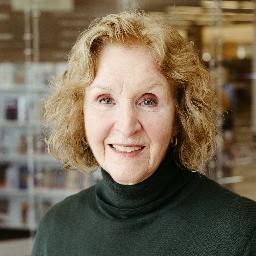
Therapist
Barbara Ramsey
LCSW
Experienced LCSW for life transitions
Opens BetterHelp in a new tab. There you can look at online therapy options.
Step 1
- Empathetic listener
- Practical tools
- Longstanding experience
About Barbara
Barbara trained as a nurse and earned a master’s degree from Rutgers University before moving into psychotherapy. She brings more than three decades of clinical work in hospitals, home care, and outpatient settings to her sessions. That background helps her notice patterns and practical problems quickly.
In session she starts by learning what brought someone in and which problems feel most urgent. She uses a mix of client-centered conversation, psychodynamic ideas, cognitive behavioral tools, and solution-focused steps to create clear goals. The work is collaborative and paced to what each person can manage.
Barbara pays attention to values, hopes, and everyday routines when planning care. She supports people through grief, trauma, bipolar ups and downs, and caregiver strain without promising a specific outcome. Her style is calm, empathetic, and down-to-earth while still aiming for real change.
To begin she asks for a short note about current challenges and what someone would like to talk about, then schedules a live session. She works from New Jersey and speaks English.
Step 2
Areas of expertise
Primary focus
Also works with
Additional focus areas
Therapeutic approaches
Experience
35+ years
Credentials
New Jersey
Languages
English
Step 3
How her therapeutic approaches work online
Barbara uses client-centered therapy to build a steady, respectful dialogue where a person’s goals and values shape the work. This approach focuses on listening and reflecting so people feel heard and can name what matters most.She also uses cognitive behavioral therapy, which looks at how thoughts, feelings, and actions connect. CBT offers simple, practical steps - like trying new behaviors or testing unhelpful thoughts - that help with anxiety, depression, and sleep problems.
Finding the right approach is part of the process. Barbara will talk with each person about their needs, goals, and preferences and suggest which methods to try. That plan is adjusted as progress is made so the work stays useful and realistic.
The original biography does not list specific online session formats, so confirm available options before booking. In general, online work can make it easier to fit sessions into a busy life, shorten travel time, allow brief check-ins when needed, and make scheduling around work or caregiving responsibilities simpler. Licensed professionals can adapt exercises and practical homework to remote sessions so the same kinds of changes can be pursued through distance work.
Step 4
Frequently asked questions
What kinds of issues does she help with?
She helps with stress, anxiety, depression, grief, parenting strain, relationship and family problems, sleep difficulties, anger, career concerns, ADHD, and coping with illness or disability.
What is her approach in therapy?
Her style blends client-centered listening with cognitive behavioral techniques, psychodynamic ideas, and solution-focused steps to set practical goals and tackle immediate problems.
How many years has she been practicing?
Barbara brings 35 years of clinical experience as a nurse and social worker, with long experience in hospitals, home care, and psychotherapy settings.
Where is she located and what are her credentials?
She practices from New Jersey and holds the credential LCSW, which stands for Licensed Clinical Social Worker.
Which languages are sessions offered in?
Sessions are offered in English and she is able to work with international clients.
What session formats are available?
The original biography does not list specific session formats, so confirm current session options with the therapist before scheduling.
How are fees handled?
Cost varies with location and therapist availability; sessions use a subscription that can be canceled at any time.
What should I do to begin working with her?
Click the Start Therapy button, complete a short matching questionnaire, and then schedule according to the therapist's availability.
Step 5