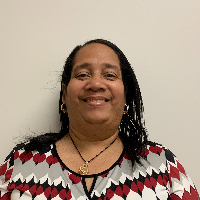
Therapist
Angela Bryant
LCSW, LSCSW
Accessible, practical psychotherapy for everyday challenges
Opens BetterHelp in a new tab. There you can look at online therapy options.
Step 1
- Warm interactive style
- Trauma-informed care
- Focus on relationships
About Angela
She works with adults from young adulthood through older adulthood on common concerns like anxiety, depression, stress, and issues with self-esteem. She also helps people facing relationship problems, grief, parenting strain, addiction, and challenges tied to ADHD. Intellectual disability appears among her focus areas and she lists a wide range of other concerns she addresses.
Angela uses a mix of approaches to shape treatment, including cognitive behavioral strategies and client-centered listening. She also incorporates attachment-focused ideas and emotionally-focused work to address relationship patterns and emotional bonds. These methods are used to create practical steps and clearer understanding in day-to-day life.
Her background includes work with survivors of physical trauma and emotional abuse. She also has experience related to education and first responder contexts, which informs how she thinks about job-related stress and burnout. Angela describes her style as interactive, tailoring conversations and plans to each person’s needs.
She holds licenses in multiple states: Licensed Clinical Social Worker and Licensed Specialist Clinical Social Worker. To begin, a person completes a short matching questionnaire and schedules sessions based on therapist availability.
Step 2
Areas of expertise
Primary focus
Also works with
Additional focus areas
Therapeutic approaches
Experience
10+ years
Credentials
Missouri, Kansas, Illinois
Languages
English
Step 3
How therapy approaches translate to online care
Attachment-based work focuses on patterns in close relationships and how those patterns shape feelings and reactions. In online sessions this approach helps people identify relationship triggers and practice new ways of connecting or setting boundaries.Cognitive Behavioral Therapy (CBT) breaks worries and behaviors into small parts to find practical changes. Online CBT often uses clear, hands-on exercises to try between sessions for anxiety, depression, or stress.
Emotionally-Focused Therapy (EFT) helps people notice and name emotions that drive interactions and distress. In virtual sessions EFT can guide gentle experiments in how someone expresses needs and responds to emotions.
Finding the right approach is part of the work together. The therapist will collaborate with each person to pick methods that fit their goals, life situation, and preferences. That shared process can include trying different techniques until one feels helpful.
The biography does not list which session formats are offered, so confirm current options before booking. Online therapy can make it easier to fit sessions into a busy week, reduce travel time, and allow shorter check-ins when a full session is not needed. It can also make it simpler to access a therapist when juggling work, caregiving, or long distances.
Step 4
Frequently asked questions
What kinds of problems does this therapist help with?
Common concerns listed include stress, anxiety, depression, relationship issues, self-esteem, grief, addictions, and coping with life changes. Additional focus areas include intellectual disability, caregiver stress, and first responder issues.
How would you describe the therapeutic approach and style?
The approach blends cognitive behavioral methods with client-centered listening, attachment-focused ideas, and emotionally-focused work. Sessions are described as warm and interactive, with a tailored plan for each person.
What is the therapist's background and experience?
The clinician has ten years of experience working as a psychotherapist and consultant and has experience supporting people who have faced physical trauma or emotional abuse.
What credentials and location are provided?
Credentials listed are LCSW and LSCSW, and the therapist practices in Missouri with licenses noted in multiple states.
Which languages and international work are supported?
Sessions are offered in English and the therapist accepts international clients.
What session formats are available?
The original biography does not specify session formats. Please confirm current session options before booking.
How is cost handled for sessions?
Cost varies with location and therapist availability, and sessions use a subscription that can be canceled at any time.
How do I begin working with this therapist?
Start by selecting the Start Therapy button, completing a short matching questionnaire, and scheduling according to therapist availability.
Step 5