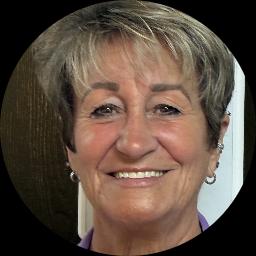
Therapist
Tina Okenfuss
LPC
Compassionate, practical counseling for life changes
Opens BetterHelp in a new tab. There you can look at online therapy options.
Step 1
- Warm collaborative care
- Evidence-based methods
- Focus on resilience
About Tina
Her style is warm and straightforward. She focuses on building a real connection and listens carefully to what matters to each person. Sessions emphasize practical steps people can take between meetings to feel steadier and more in control.
Tina uses evidence-based therapeutic techniques to help clients build resilience and better communication. She works with issues tied to attachment, abandonment, adoption and foster care, aging and geriatric concerns, chronic illness or pain, and co-morbidity. She also supports people dealing with body image, caregiver stress, and challenges related to neurodiversity such as autism and Asperger Syndrome.
People looking for help with sexuality and alternative communities will find Tina knowledgeable about BDSM, kink, and alternative sex culture matters. She also has experience with personality-related challenges such as avoidant or antisocial patterns and codependency.
Her approach centers on collaboration. Tina checks in about goals, adapts strategies to what works, and emphasizes small, achievable changes. She encourages honest conversation and practical problem solving rather than jargon or one-size-fits-all methods.
Step 2
Areas of expertise
Additional focus areas
Experience
8+ years
Credentials
Arkansas
Languages
English
Step 3
How evidence-based methods translate to online care
Tina draws on evidence-based therapeutic techniques to guide her work. One common approach focuses on identifying unhelpful thinking and testing new ways of responding; this helps with anxiety, depression, and stress symptoms. Another approach emphasizes building repair in relationships and understanding attachment patterns to reduce conflict and improve connection.Choosing the right approach is a team effort. Tina will talk with each person about goals and preferences, then tailor methods that match those needs. The process is collaborative, with regular check-ins to adjust strategies if something isn’t working.
Confirm the current session options before booking to learn which formats are offered. In general, online therapy can make it easier to fit sessions into a busy life, reduce travel time, and allow shorter check-ins when schedules are tight. Talk with Tina about timing and session length so appointments can fit into daily routines and support steady progress.
Step 4
Frequently asked questions
What kinds of concerns does Tina address?
Tina supports people dealing with stress, anxiety, trauma and abuse, low self-esteem, depression, and major life changes. She also focuses on issues like abandonment, adoption and foster care, aging, chronic illness, and caregiver stress.
How would you describe her therapeutic style?
Her approach is compassionate and collaborative. She listens closely, sets clear goals with each person, and recommends practical steps to try between sessions.
What is her clinical background?
She has eight years of experience working as a counselor with people facing a wide range of emotional and life challenges.
What credentials and location are listed for this therapist?
She holds an LPC credential, listed as AR LPC, and practices in Arkansas.
Which languages are available for sessions?
Sessions are offered in English.
Can international clients schedule with Tina?
International clients are not currently accepted.
How are sessions paid for and what does it cost?
Cost varies with location and therapist availability; sessions use a subscription that can be canceled at any time.
What are the steps to begin working with her?
Use the Start Therapy button, complete a short matching questionnaire, and then schedule based on the therapist's availability.
Step 5