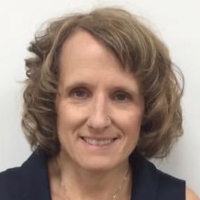
Therapist
Teresa Gehman
LMHC
Practical, experienced mental health counselor
Opens BetterHelp in a new tab. There you can look at online therapy options.
Step 1
About Teresa
Teresa uses a mix of therapy methods rather than one single technique. She draws on cognitive behavioral strategies to spot thinking patterns that get in the way. She uses client-centered work to follow each person's pace and Attachment-Based ideas to look at how early bonds affect current relationships.
Her style is practical and solution-minded. Teresa helps people set small goals, try new coping skills, and notice what changes. Sessions often focus on what will make daily life feel more manageable and less overwhelming.
She has experience addressing a wide range of life changes and medical or caregiving stress, including chronic illness and aging-related concerns. Autism and Asperger Syndrome are listed among her focus areas, along with body image and cancer-related adjustment.
Teresa blends Acceptance and Commitment Therapy with other approaches when it fits. That can help people accept difficult feelings while taking steps toward values-based life choices. After an initial conversation she tailors the plan to each person's needs and goals.
Step 2
Areas of expertise
Primary focus
Also works with
Additional focus areas
Therapeutic approaches
Experience
30+ years
Credentials
New York
Languages
English
Step 3
How Teresa’s approaches translate to online therapy
Teresa uses Acceptance and Commitment Therapy and Cognitive Behavioral Therapy in ways that fit remote work. ACT focuses on noticing and accepting difficult feelings while taking steps toward the life a person values. It can help with anxiety, depression, and coping with major change. CBT helps identify unhelpful thinking and test new behaviors to reduce symptoms and improve daily routines.She also uses client-centered techniques that emphasize listening and following each person's pace. Finding the right approach is a collaborative process. The therapist and client review goals together and adjust methods based on what feels most helpful over time.
The profile does not specify which online session formats are offered, so confirm current options before booking. Many people find remote sessions make fitting therapy into a busy day easier, allow shorter check-ins when helpful, and reduce travel time. Online work can support practicing new skills between sessions and keeping progress moving during life transitions.
Step 4
Frequently asked questions
What concerns does Teresa help with?
She works with stress, anxiety, depression, grief, addictions, and relationship issues. The profile also lists LGBT concerns, eating issues, trauma and many life-change topics.
How would you describe her therapy style?
Teresa blends practical, solution-focused work with client-centered care. She helps clients set small goals and practice skills between sessions.
What kind of experience does she bring?
She has about 30 years of clinical experience working with a wide range of concerns including trauma, parenting challenges, and mood disorders.
What are her credentials and where is she located?
She is a Licensed Mental Health Counselor (LMHC) licensed in New York and practices from that location.
Can I work with her if English is not my first language?
Sessions are offered in English only according to the profile details.
Does she accept international clients?
The profile states she does not accept international clients at this time.
How are fees and billing handled?
Cost varies by location and therapist availability; sessions use a subscription that can be canceled at any time.
What should I do to get started?
Click the Start Therapy button, complete the short matching questionnaire, and schedule according to therapist availability.
Step 5