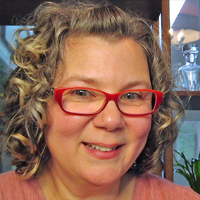
Therapist
Tanya Richmond
LCSW
Experienced LCSW focused on practical support
Opens BetterHelp in a new tab. There you can look at online therapy options.
Step 1
- Person-centered approach
- Mindfulness practices
- Practical goals
About Tanya
Her approach is warm, reflective, and person-centered. Sessions focus on what the client wants to change and build on the client's strengths. Tanya uses mindfulness practices such as guided breathing and Qi Gong movements when helpful to calm the body and focus the mind.
She draws on a mix of methods including client-centered therapy, cognitive behavioral techniques, solution-focused strategies, and trauma-focused work. Those methods are used in straightforward ways - for example, identifying unhelpful thoughts, practicing different responses, and setting small goals to test new behaviors.
With 26 years of experience, Tanya has worked with people through loss, caregiver strain, disasters, and the challenges of aging. She emphasizes dignity and respect and avoids labeling, aiming instead to tailor plans to each person’s needs.
If someone is looking for help finding more meaning, better self-care, or support during a difficult transition, Tanya focuses on practical steps and steady listening. She helps people think through changes and supports them as they try new ways of coping.
Step 2
Areas of expertise
Also works with
Additional focus areas
Therapeutic approaches
Experience
26+ years
Credentials
North Carolina
Languages
English
Step 3
How her therapeutic approaches translate to online work
Client-centered therapy focuses on listening and building a plan around what the person values. It helps people feel heard and shape goals that match their life. Cognitive Behavioral Therapy (CBT) looks at thoughts and actions that keep problems going and teaches practical steps to change them. It is useful for anxiety, stress, and low mood.Finding the right approach is part of the work. The therapist will talk with the client about goals, preferences, and what feels most useful. Together they will choose which methods to try and adjust the plan as needed in ongoing sessions.
Confirm the current session options before booking, since formats are not specified here. Online therapy can make it easier to fit sessions into a busy life, reduce travel time, and allow for shorter check-ins when needed. Many people find it simpler to practice skills they learn in sessions during their daily routine and then discuss results at the next meeting.
Step 4
Frequently asked questions
What concerns does Tanya commonly help with?
She supports people with stress, anxiety, grief, self-esteem, compassion fatigue, trauma and abuse, career questions, and coping with life changes. Additional focus areas include aging, caregiving stress, hospice and end-of-life issues, isolation, and intellectual disability.
How would you describe her therapy style?
Her style is person-centered, warm, and reflective. She listens first, avoids labels, and customizes sessions to each person's needs.
What is her professional background?
She is a licensed clinical social worker with 26 years of experience working with grief, trauma, caregiver stress, and related concerns.
Where is Tanya based and what credential does she hold?
She practices in North Carolina and holds the credential NC LCSW, which stands for Licensed Clinical Social Worker in North Carolina.
Which languages are sessions offered in?
Sessions are offered in English.
Can international clients work with her?
International clients are not currently accepted.
How are fees and payment handled?
Cost varies with location and therapist availability; sessions use a subscription that can be canceled at any time.
How do I begin working with Tanya?
Click the Start Therapy button, complete a short matching questionnaire, and schedule sessions according to therapist availability.
Step 5