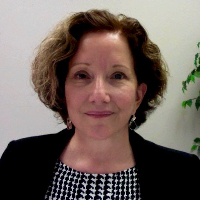
Therapist
Susan Frambes
LCSW
Practical therapy for life transitions and trauma
Opens BetterHelp in a new tab. There you can look at online therapy options.
Step 1
- Trauma and abuse
- Depression and anxiety
- CBT and mindfulness
About Susan
She has long experience supporting adults who endured childhood trauma and who face emotional or physical abuse. Her background includes work with people affected by stalking and domestic violence. Susan draws on years of direct practice to shape straightforward, practical sessions.
Susan uses cognitive behavioral therapy, client-centered approaches, mindfulness therapy, and trauma-focused methods. She blends talk-based work with reality-oriented and supportive strategies so people can make small changes that build over time. Sessions focus on concrete steps and clearer thinking rather than jargon.
She aims to fit appointments around client schedules when possible and responds to messages regularly. Some clients prefer messaging or text-only contact, and Susan has noted she will work with clients who choose that style of communication. Her approach centers on helping people let go of burdens that hold them back.
Her guiding idea is plain: change happens when people give up what weighs them down. That belief informs goal-setting, coping skills, and practical tools used in sessions with individuals facing life transitions or ongoing emotional challenges.
Step 2
Areas of expertise
Primary focus
Also works with
Additional focus areas
Therapeutic approaches
Experience
30+ years
Credentials
New Jersey
Languages
English
Step 3
How therapeutic approaches shape online work
Susan commonly draws on cognitive behavioral therapy and trauma-focused methods in her work. Cognitive behavioral therapy focuses on the links between thoughts, feelings, and behaviors and helps people learn new ways of responding to worry, low mood, or unhelpful habits. Trauma-focused approaches attend directly to the effects of past harm and build coping skills to manage triggers and painful memories.She also uses client-centered techniques that emphasize listening and collaboration so goals reflect what matters most to each person. Finding the right mix is part of the process and she works with clients to choose methods that fit their needs, goals, and preferences.
The practical benefits of online therapy depend on the session options in use, so confirm current session formats before booking. Online work can make it easier to fit appointments into a busy week, reduce travel time, and allow shorter check-ins when that suits a schedule. It can also let people use phone or text communication when they prefer less time on camera. The therapist will discuss which arrangements will best support each client’s day-to-day life and therapeutic goals.
Step 4
Frequently asked questions
What kinds of concerns does she address?
Susan supports people with trauma and abuse, depression, anxiety, addictions, grief, relationship and family problems, self-esteem, sleep and eating issues, and stress from life changes.
How would sessions feel and what style is used?
Sessions are conversational and practical. She uses client-centered listening alongside cognitive behavioral and mindfulness techniques to help clients set achievable goals.
What experience does the therapist bring?
She has 30 years of experience working with adults, including people who have experienced childhood trauma, abuse, stalking, and domestic violence.
What are her credentials and where is she based?
She is a licensed clinical social worker, LCSW, licensed in New Jersey.
Which languages are supported for sessions?
Sessions are offered in English.
Can international clients work with her?
International clients are not currently accepted.
How are sessions scheduled and what about cost?
Cost varies with location and therapist availability and sessions use a subscription that can be canceled at any time.
What should I do to begin working together?
Use the Start Therapy button, complete a short matching questionnaire, and schedule according to therapist availability.
Step 5