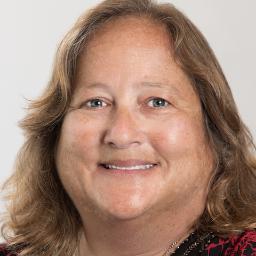
Therapist
Richelle Kramer
LICSW, LCSW
Compassionate, practical social work support
Opens BetterHelp in a new tab. There you can look at online therapy options.
Step 1
- Client-centered
- Practical tools
- Goal focused
About Richelle
Step 2
Areas of expertise
Primary focus
Also works with
Additional focus areas
Therapeutic approaches
Experience
30+ years
Credentials
Minnesota, Florida
Languages
English
Step 3
Approaches that guide online work
Client-Centered Therapy focuses on the person's experience and priorities. The therapist listens closely and follows the client's lead to build trust and choose useful goals. Cognitive Behavioral Therapy (CBT) looks at how thoughts, feelings, and actions interact; it offers clear strategies to test new ways of thinking and behaving for anxiety, depression, and stress. Mindfulness Therapy teaches simple attention and breathing practices to reduce reactivity and increase calm during hard moments. Finding the right approach is part of the process. The therapist will work together with each person to decide which methods fit their needs, goals, and preferences. That collaboration means trying tools, checking what helps, and adjusting the plan as progress is made. Practical benefits of online therapy include easier scheduling and fitting sessions into a busy life. Online work can reduce travel time and make it simpler to keep regular appointments. The biography did not list specific session formats, so confirm current options before booking to know what kinds of online meetings are offered. The emphasis is on making therapy usable and relevant to everyday routines, with techniques people can practice between sessions.Step 4
Frequently asked questions
What kinds of concerns does Richelle address?
She works with stress, anxiety, trauma and abuse, depression, parenting issues, relationship and intimacy concerns, grief, addictions, and related life changes.
How would you describe her therapy style?
Her approach is respectful and down-to-earth. She listens, then tailors sessions to practical steps that fit each person's situation.
What experience does she bring to sessions?
Richelle brings about 30 years of professional experience and draws on that background when adapting methods to different problems.
What credentials and location are on record?
She holds LICSW and LCSW credentials and practices in Minnesota.
Which languages are supported and are international clients accepted?
Sessions are offered in English and she does not accept international clients at this time.
What session formats are available?
Session formats were not specified in the biography; confirm current session options before booking to know whether in-person or online meetings are offered.
How is cost handled for sessions?
Cost varies with location and therapist availability; sessions use a subscription that can be canceled at any time.
How do I begin working with Richelle?
Select the Start Therapy button, complete a short matching questionnaire, and then schedule according to therapist availability.
Step 5