Therapist
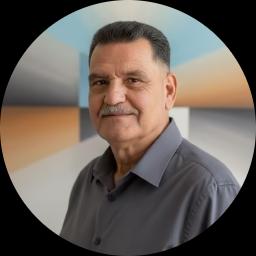
Dr. Paul Fernandez
CA Psychologist 19972
Culturally aware psychologist offering practical strategies
Opens BetterHelp in a new tab. There you can look at online therapy options.
Step 1
- 30 years experience
- English and Spanish
- Culturally responsive care
About Paul
He has long experience listening to people from Latino and Hispanic communities in Southern California. Cultural values, family expectations, spirituality, immigration experiences, and language can shape how problems show up, and he pays attention to those influences in sessions. He can include family values or spiritual themes when a client wants that as part of therapy.
Sessions focus on clear, usable strategies more than abstract theory. Conversations often identify patterns that keep problems going and then try out new behaviors to break those patterns. Practical tools address coping with anxiety, managing cravings and relapse risk, improving communication, and setting boundaries at home and work.
He aims to create a respectful space where people can talk about difficult topics like substance use, shame, grief, or cultural conflict without feeling judged. The work is collaborative - the therapist listens first, then helps map out steps a client feels ready to take.
With many years of practice, he brings both experience and a willingness to adapt to each person’s needs. People who prefer straightforward, culturally aware guidance and clear strategies often find this approach helpful.
Step 2
Areas of expertise
Primary focus
Also works with
Additional focus areas
Therapeutic approaches
Experience
30+ years
Credentials
California
Languages
English, Spanish
Step 3
Therapeutic approaches and how they fit online
Acceptance and Commitment Therapy, or ACT, focuses on helping people notice thoughts and feelings without getting stuck in them, then take actions that match their values. It can help with anxiety, stress, and life transitions by clarifying what matters and building small steps toward it. Client-Centered Therapy centers on the person’s own goals and pace; the therapist listens deeply and supports the client as they work through what feels important. It often helps when someone needs acceptance and space to sort things out. Cognitive Behavioral Therapy, CBT, looks at how thoughts, feelings, and behaviors interact and teaches concrete skills to change unhelpful patterns, which can be useful for anxiety, low mood, and managing substance use triggers.Finding the right approach is part of the work. The therapist will talk with each person about goals, preferences, and what has or hasn’t helped before. Together they decide which methods to try and adjust the plan as progress is made, keeping the client’s needs central to the process.
Session format options are not specified in the biography, so please confirm current online session choices before booking. In general, online therapy can make it easier to fit appointments into a busy day, reduce travel time, and allow shorter check-ins when needed. It can also let someone join from a quiet place without rearranging a commute. Licensed professionals can adapt ACT, Client-Centered methods, and CBT to remote work so the focus stays on practical steps, emotional processing, and measurable skills.
Step 4
Frequently asked questions
What kinds of problems does he address?
He works with stress, anxiety, addictions, relationship and family concerns, trauma and abuse, grief, self esteem, career issues, and coping with life changes, among other areas.
What is his general therapy style?
Sessions are compassionate and straightforward with a focus on practical tools. He listens first and then helps clients try steps that feel realistic for their daily life.
How much clinical experience does he have?
He has 30 years of experience working as a psychologist in California and has spent much of his career supporting Latino and Hispanic communities in Southern California.
What are his credentials and where is he based?
He is listed as CA Psychologist 19972 and practices in California.
Which languages are offered in sessions?
Sessions are offered in English and Spanish.
Can people outside the United States work with him?
He does not accept international clients at this time.
How are fees and payment handled?
Cost varies with location and therapist availability, and sessions use a subscription that can be canceled at any time.
How do I begin if I want to try therapy?
Use the Start Therapy button, complete a short matching questionnaire, and then schedule sessions according to the therapist's availability.
Step 5