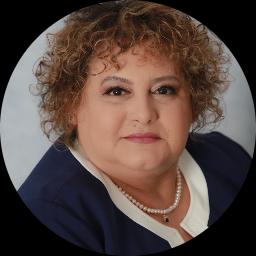
Therapist
Dr. Norma Rosales
LMFT
Compassionate therapy rooted in faith and strengths
Opens BetterHelp in a new tab. There you can look at online therapy options.
Step 1
- Strengths focused
- Bilingual English Spanish
- Faith integrated care
About Norma
Her work is grounded in listening closely and identifying strengths clients already have. Sessions focus on practical steps and small changes that make daily life easier. She tailors the pace and topics to each person's needs and respects clients' spiritual beliefs when they want that included.
Dr. Rosales often uses attachment-based ideas to look at how early relationships shape current patterns. She also applies solution-focused methods to set clear goals and Cognitive Behavioral Therapy techniques to shift thinking and behavior when those fit the situation. Trauma-focused approaches are used when past events interfere with present functioning.
She describes therapy as a collaborative process. The therapist and client set goals together and track progress in concrete ways. Faith-based elements are available for clients who ask, and cultural background is acknowledged in treatment planning.
Dr. Rosales practices in California as a CA LMFT. Her work includes additional focus areas such as adoption and foster care, caregiver stress, codependency, communication problems, divorce and separation, and family of origin issues. She aims to help people find clearer thinking, healthier relationships, and greater emotional balance.
Step 2
Areas of expertise
Primary focus
Additional focus areas
Therapeutic approaches
Experience
23+ years
Credentials
California
Languages
English, Spanish
Step 3
How her approaches translate to online therapy
Attachment-Based Therapy focuses on how early relationships affect current connections and emotional responses. It helps people notice patterns in closeness and distance and learn new ways to relate that feel safer and more connected. Cognitive Behavioral Therapy, or CBT, looks at thoughts and behaviors together and teaches practical skills to reduce anxiety or depressive symptoms and to change unhelpful behavior patterns.Finding the right approach is part of the work. The therapist will talk with each person about goals, preferences, and past experiences to choose or combine methods. This is a collaborative process where techniques are adjusted over time to fit what actually helps.
The profile does not list specific online session formats, so confirm available options before booking. Online work can make it easier to fit therapy into busy days, allow shorter check-ins when needed, and reduce travel time. It can also let people choose sessions in English or Spanish and keep continuity of care when schedules are tight. Licensed professionals and therapists adapt exercises and homework to work well in remote sessions so progress continues between meetings.
Step 4
Frequently asked questions
What concerns does she help with?
She supports people dealing with stress, anxiety, depression, relationship strain, parenting difficulties, and trauma and abuse, plus related family and caregiving stresses.
What is her general approach in sessions?
Sessions are collaborative and strengths focused, with clear goals and practical steps. Faith-based elements can be included when a client requests them.
How much clinical experience does she have?
She has worked as a mental health therapist for 23 years, bringing long-term experience supporting emotional growth and trauma recovery.
What credentials and region apply to her practice?
She is a CA LMFT, which denotes a licensed marriage and family therapist practicing in California.
Which languages are offered and does she take international clients?
Sessions are offered in English and Spanish. International clients are not currently accepted.
What session formats are available?
The original profile does not list specific session formats, so confirm current session options before booking.
How much does therapy cost?
Cost varies with location and therapist availability; sessions use a subscription that can be canceled at any time.
How do I begin the process?
Select the Start Therapy button, complete a short matching questionnaire, and schedule according to therapist availability.
Step 5