Need help now? See crisis phone numbers

Therapist listings are provided by BetterHelp. We will earn a commission at no additional cost to you if you use our links to purchase.

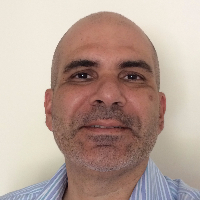
Enrique Sanchez

Therapist

Enrique Sanchez

LMHC

Florida · 20+ years of experience

Practical, nonjudgmental care for everyday struggles

Continue with Enrique

Opens BetterHelp in a new tab. There you can look at online therapy options.

Step 1

  • Solution-focused help
  • Bilingual English Spanish
  • 20 years experience

About Enrique

Enrique Sanchez is a licensed mental health counselor with twenty years of clinical experience. He works in Florida and helps people who are dealing with depression, anxiety, bipolar mood shifts, substance use, and the fallout from trauma. Enrique speaks English and Spanish and aims to make sessions straightforward and grounded. He has spent long stretches supporting people at different stages of addiction recovery, from noticing early warning signs to taking concrete steps toward change. He emphasizes a nonjudgmental stance so clients feel understood rather than blamed when discussing substance use or related struggles. Relationship patterns and family stress show up in many people's problems, and Enrique often focuses on communication and practical changes that reduce ongoing conflict. He also supports people facing grief, intimacy concerns, parenting strain, and work-related stress. His usual way of working is client-centered and solution-focused. He helps people identify what matters to them, notice unhelpful thinking, and test small steps that lead toward clearer choices and better daily functioning. Enrique uses strategies from cognitive behavioral work and mindfulness to help with moods and thought patterns. People who value direct, practical guidance alongside empathetic listening may find his style a good match. If you want help sorting options, making a plan, and practicing new skills, he can guide that process in English or Spanish.

Step 2

Areas of expertise

Primary focus

AddictionsFamily conflictsBipolar disorderDepression

Also works with

Stress, AnxietyLGBTRelationship issuesTrauma and abuseGriefIntimacy-related issuesEating disordersSleeping disordersParenting issuesAnger managementSelf esteemCareer difficulties

Additional focus areas

Antisocial personalityAttachment issuesAutism and Asperger SyndromeCommunication problemsControl issuesDependent personalityDivorce and separationEmptinessFamily problemsFatherhood issuesForgivenessGuilt and shameHearing impairedHIV / AIDSHoardingImmigration issuesInfidelityIntellectual disabilityIsolation / lonelinessJealousyLife purposeMen's issuesMood disordersNarcissismObsessions, compulsions, and OCDParanoiaPersonality disordersPhobiasPolyamory / non-monogamous relationshipsPostpartum depressionPost-traumatic stressSelf-harmSocial anxiety and phobia

Therapeutic approaches

Client-Centered TherapyCognitive Behavioral Therapy (CBT)Emotionally-Focused Therapy (EFT)Gottman MethodMindfulness TherapyMotivational InterviewingPsychodynamic TherapySolution-Focused TherapyTrauma-Focused Therapy

Experience

20+ years

Credentials

Florida

Languages

English, Spanish

Step 3

Therapeutic approaches and online care

Enrique uses client-centered therapy which focuses on listening, understanding each person's priorities, and helping them decide their next steps. This approach helps when someone needs space to sort feelings and to make choices that fit their life.

He also draws on cognitive behavioral therapy, which looks at how thoughts, feelings, and actions connect. CBT provides practical tools for changing negative thinking patterns, improving mood, and building small habits that reduce anxiety or depressive symptoms.

Choosing the right approach is a collaborative process. The therapist will discuss goals, try different strategies, and adjust the plan based on what a person finds useful. Clients are invited to give feedback so sessions stay focused on real problems and workable steps.

The biography does not specify which online session formats are offered, so confirm available options before booking. Online therapy can make it easier to fit sessions into a busy week, allow shorter check-ins when time is limited, and reduce travel time. It can also help people keep continuity of care when they move or travel, while the therapist and client decide together what works best for scheduling and progress.

Step 4

Frequently asked questions

What kinds of concerns does Enrique address?

He works with a wide range of issues including addictions, depression, anxiety, bipolar mood concerns, trauma and abuse, relationship and family stress, grief, sleep and eating problems, and self-esteem challenges.

How would you describe his therapy style?

He uses a client-centered, solution-focused approach that emphasizes practical steps. Cognitive behavioral techniques and mindfulness practices are often used to change thinking and daily habits.

What is his clinical background and experience?

Enrique has 20 years of experience working in outpatient settings and with people facing substance use, trauma, mood disorders, and relationship conflict.

What credentials and location are listed for him?

He is an LMHC - licensed mental health counselor - practicing in Florida.

Which languages are supported during sessions?

Sessions are offered in English and Spanish, and he also accepts international clients.

What session formats are available?

The original biography does not specify session formats. Please confirm current session options before scheduling.

How does pricing work for sessions?

Costs vary with location and therapist arrangements; sessions use a subscription that can be canceled at any time.

How do I get started with therapy?

Click the Start Therapy button, complete a short matching questionnaire, and schedule according to therapist availability.

Step 5

Your next step

If this is for you

  • Check that the location and license details fit where you live.
  • Write down one or two things you want to talk about.
  • Take your time. You can read other profiles first.

If you are helping someone

  • Read this page together, at a pace that suits them.
  • Ask what they think about this therapist.
  • Let the person make the choice.
Enrique SanchezContinue with Enrique