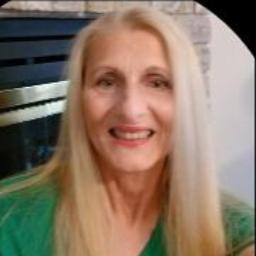
Therapist
Cynthia Churm
LCSW
Experienced Wisconsin LCSW for life transitions
Opens BetterHelp in a new tab. There you can look at online therapy options.
Step 1
- Relationship focus
- Grief support
- Family concerns
About Cynthia
Cynthia adapts conversations and plans to match each person's needs. She listens for what matters most and adjusts her approach as things change. Sessions are practical and focused on day-to-day improvements rather than vague theories.
Her work includes support for issues such as abandonment, caregiver stress, chronic illness and disability, and aging concerns. She also helps people facing body image struggles, challenges related to autism and Asperger syndrome, blended family dynamics, cancer, and communication problems.
Cynthia helps people manage loss and grief, and she supports those dealing with co-morbid health and mental health concerns. She offers guidance for codependency, commitment worries, control issues, and dependent personality patterns. Her aim is to help people find clearer choices and steadier routines.
Taking the first step can feel daunting, and Cynthia stresses collaboration. She helps clients set realistic goals and works alongside them to reach those goals. For people in Wisconsin seeking a steady, experienced LCSW, Cynthia offers an experienced and respectful approach.
Step 2
Areas of expertise
Primary focus
Additional focus areas
Experience
30+ years
Credentials
Wisconsin
Languages
English
Step 3
Therapeutic approaches and what online work looks like
Evidence-based therapeutic techniques are central to Cynthia's work. One common approach focuses on clear, goal-oriented conversations that identify problems and practical next steps. This helps with relationship patterns, communication problems, and daily coping tasks. Another approach uses supportive, trauma-informed listening that helps people process grief, abuse, and difficult life changes by pacing the work to the client's readiness.Finding the right approach is a collaborative process. Cynthia will talk with each person about their needs, goals, and preferences, then choose methods that fit. She adjusts the plan over time so the work stays relevant and useful.
Session formats are not listed in the biography, so confirm current options before booking. Online work can make it easier to fit sessions into a busy life, reduce travel time, and bring therapy into day-to-day routines. It can also allow shorter check-ins or more flexible scheduling when needed. Ask about available formats and how they might match your schedule and needs.
Step 4
Frequently asked questions
What kinds of difficulties does Cynthia help with?
Cynthia works with relationship problems, family conflict, trauma and abuse, grief, and coping with life changes. She also addresses issues like caregiver stress, chronic illness and disability, and aging concerns.
How would you describe her therapeutic style?
Her style is respectful, sensitive, and compassionate. She tailors conversations and treatment plans to each person's unique needs and focuses on practical steps.
What is her background and length of experience?
She is a Licensed Clinical Social Worker with 30 years of professional work experience. That experience includes a range of relationship and life-change issues.
Where is she licensed and practicing?
She is licensed in Wisconsin as an LCSW. The practice and licensing information reflects her work in that state.
Which languages are supported in sessions?
Sessions are offered in English.
Can people from other countries work with her?
She is not accepting international clients at this time.
How are fees and billing handled?
Cost varies with location and therapist availability. Sessions use a subscription that can be canceled at any time.
How do I begin working with Cynthia?
Select the Start Therapy button, complete a short matching questionnaire, and schedule according to therapist availability.
Step 5