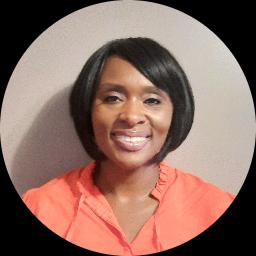
Therapist
Catherine Brenen
LMSW
Compassionate, practical support for life’s challenges
Opens BetterHelp in a new tab. There you can look at online therapy options.
Step 1
- Warm and nonjudgmental
- Goal-focused tools
- Faith-respecting care
About Catherine
Her sessions are built on positive regard and practical help rather than judgment. She uses plain language and steady support to help people set goals and make changes. Catherine combines listening with problem-solving so clients can take small steps that add up.
She blends several therapeutic styles to match each person’s needs. Cognitive behavioral techniques are used to spot and shift unhelpful thoughts and behaviors. Dialectical skills help with intense emotions and teaching steady coping tools.
Client-centered principles guide how she works, keeping the client’s values and choices front and center. Motivational interviewing is used when making life changes feels overwhelming or uncertain. Mindfulness practices are offered to reduce stress and improve focus.
Catherine tailors conversations and plans to each situation. She supports people facing grief, intimacy concerns, eating struggles, caregiver stress, and many other life challenges. Her goal is to help people build a clearer path forward and a better quality of life.
Step 2
Areas of expertise
Primary focus
Also works with
Additional focus areas
Therapeutic approaches
Experience
16+ years
Credentials
Michigan
Languages
English
Step 3
How Catherine’s Approaches Fit Online
Client-centered therapy focuses on the person’s own goals and values and helps shape sessions around what matters most. It is useful for building motivation, clarifying choices, and guiding steady progress. Cognitive behavioral therapy (CBT) helps identify unhelpful thoughts and habits and then practices new, more helpful strategies; CBT is often used for anxiety, depression, and coping with life transitions.Dialectical behavior therapy (DBT) brings specific skills for handling strong emotions and improving interpersonal effectiveness. DBT techniques can be useful when someone needs steady ways to manage intense feelings or reduce impulsive behavior. These approaches are offered with an emphasis on collaboration so the therapist and client decide together what fits best.
Finding the right approach is part of the work. Catherine will listen to your concerns, discuss goals, and recommend methods that match your needs and preferences. She adjusts the plan as you progress and checks in often to make sure the approach feels useful.
Session formats are not listed in the biography, so please confirm current options when booking. Online work can make it easier to fit appointments into a busy week, skip a commute, or have shorter check-ins when time is limited. Ask about available formats when you schedule so sessions can be arranged around your daily life.
Step 4
Frequently asked questions
What concerns does she help with?
She helps people manage stress, anxiety, depression, substance use, trauma, relationship and intimacy issues, grief, parenting and many life changes.
How would you describe her therapy style?
Her style is warm, engaging, and nonjudgmental. Sessions focus on respect, empathy, and practical steps toward client goals.
What is her background and experience?
She has 16 years of experience as a mental health provider and practices in Michigan as an LMSW.
What credentials and region are listed?
She holds the credential MI LMSW and is based in Michigan.
Which languages are supported for sessions?
Sessions are offered in English.
Can international clients work with her?
She is not accepting international clients at this time.
How are costs and billing handled?
Costs vary with location and therapist availability, and sessions use a subscription that can be canceled at any time.
How do I start a therapy match?
Use the Start Therapy button, complete a short matching questionnaire, and then schedule according to the therapist's availability.
Step 5