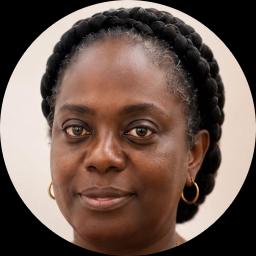
Therapist
Ayotunde Popoola
BACP
Practical, person-centred counselling for adults
Opens BetterHelp in a new tab. There you can look at online therapy options.
Step 1
- Person-centred
- CBT informed
- Trauma-aware
About Ayotunde
She uses a person-centred style that focuses on the individual's experience. That means listening closely and adapting sessions to what each person brings. Ayotunde also combines ideas from cognitive behavioural therapy and solution-focused work when it fits the client’s goals.
In practice she aims to help people build coping skills and notice patterns that hold them back. Sessions include talking through difficult memories, trying out small behavioural changes, and setting achievable steps forward. The therapist keeps language simple and concrete during these conversations.
Ayotunde has a BACP credential, which is recorded as provided. She has four years of experience working with adults in the United Kingdom. Sessions are conducted in English and international clients are not accepted.
Her wider focus covers issues such as attachment and abandonment, adoption and foster care, caregiver stress, body image and domestic violence. People who want to begin are asked to use the platform’s Start Therapy button to complete a short matching questionnaire and then schedule according to availability.
Step 2
Areas of expertise
Also works with
Additional focus areas
Therapeutic approaches
Experience
4+ years
Credentials
United Kingdom
Languages
English
Step 3
How these approaches translate to online therapy
Client-Centred Therapy focuses on the person's experience and aims to create a respectful, listening environment where people can find their own solutions. It is useful for building self-awareness and tackling issues like low self-esteem or life changes.Cognitive Behavioural Therapy (CBT) looks at links between thoughts, feelings and actions and uses practical exercises to change unhelpful patterns. It can help with anxiety, depression and managing day-to-day stress.
Trauma-Focused Therapy concentrates on understanding and working through the impact of traumatic events, using paced, step-by-step methods to reduce distress and build coping skills.
Finding the right approach is part of the work. The therapist will discuss goals and preferences and together decide which methods to try first. This is a collaborative process that can be adjusted as progress is made.
Check the session options before booking to confirm how meetings are held. Online therapy can make it easier to fit sessions into a busy week, reduce travel time and allow shorter check-ins when needed. It also makes it simpler to maintain continuity when circumstances change, while the therapist tailors interventions to what works in your everyday life.
Step 4
Frequently asked questions
What concerns does Ayotunde work with?
She supports people dealing with stress, anxiety, depression, grief, anger and career-related worries, among other issues.
How would you describe her therapeutic style?
The approach is person-centred and client-focused, with practical elements drawn from cognitive behavioural and solution-focused therapies.
What is her background and experience?
Ayotunde has four years of clinical experience working with adults and draws on several therapeutic approaches to suit individual needs.
Where is she based and what credential does she hold?
She practises in the United Kingdom and the supplied credential is BACP.
Which languages are sessions offered in?
Sessions are offered in English.
Can international clients work with her?
International clients are not currently accepted.
How are sessions paid for and what does it cost?
Cost varies with location and therapist availability; sessions use a subscription that can be cancelled at any time.
How do I begin working with her?
Use the Start Therapy button, complete the short matching questionnaire, and then schedule sessions according to therapist availability.
Step 5