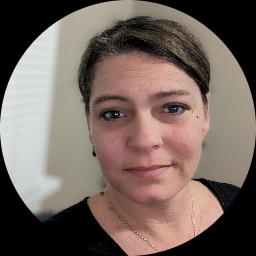
Therapist
Tonya Boyd
LCMHC, LCPC
Straightforward counseling that honors your story
Opens BetterHelp in a new tab. There you can look at online therapy options.
Step 1
- Stress and anxiety
- LGBTQ concerns
- Values-based change
About Tonya
She works in a straightforward, person-centered way. Tonya treats each client as the expert on their own life and helps them identify strengths they already have. Sessions emphasize practical tools for coping, clearer thinking, and small behavior changes that add up over time.
Her approach draws on several evidence-informed methods, including cognitive behavioral techniques to change unhelpful thoughts, acceptance and commitment ideas to clarify values and build action, and attachment-informed work to address relationship patterns. She also uses strategies from dialectical behavior therapy to teach emotion regulation and distress-tolerance skills.
Tonya has experience working with a range of concerns such as attachment and abandonment issues, body image, caregiver stress, chronic illness and disability, codependency, kink and alternative sexual cultures, blended family adjustment, and issues around commitment and communication. She can help people untangle patterns that make everyday life harder and develop new, workable habits.
Tonya practices in Idaho and conducts sessions in English. She supports clients as they set realistic goals and try manageable steps toward clearer thinking, steadier emotions, and better day-to-day functioning.
Step 2
Areas of expertise
Primary focus
Additional focus areas
Therapeutic approaches
Experience
5+ years
Credentials
Texas, Idaho, Idaho, Florida, Utah
Languages
English
Step 3
Approaches that translate to online work
Acceptance and Commitment Therapy helps people notice unhelpful thoughts, clarify what matters to them, and take small steps toward those values. It can help with anxiety, low motivation, and decisions about relationships.Attachment-Based Therapy focuses on patterns in close relationships. It looks at how early and current connections shape feelings and reactions, and it helps people change how they relate to others and to themselves.
Finding the right approach is a collaborative process. Tonya will work with clients to pick methods that match their goals, preferences, and everyday routines. She treats therapy as teamwork and checks in regularly to adjust the plan when needed.
If you are considering online therapy, confirm the current session options before booking. Many people find remote sessions useful because they make it easier to fit counseling into a busy day, allow shorter check-ins when needed, and reduce travel time. Online work can support the same skill practice and values-based steps used in ACT and the relational focus of attachment work, while keeping scheduling practical for day-to-day life.
Step 4
Frequently asked questions
What kinds of issues does Tonya help with?
She works with stress, anxiety, self-esteem, depression, and LGBTQ concerns, plus related topics like attachment, caregiver stress, body image, chronic illness, and relationship communication.
What is Tonya's therapy style?
Her style is person-centered and practical. She helps clients identify strengths, set goals, and practice tools that fit daily life.
How long has Tonya been practicing?
She has five years of clinical experience working with adults from varied backgrounds.
What credentials does she hold and where does she practice?
Tonya holds LCMHC and LCPC credentials and practices in Idaho.
Which languages are supported for sessions?
Sessions are offered in English.
Can people outside the United States work with Tonya?
International clients are not currently accepted.
How are sessions paid for and what do they cost?
Cost varies with location and therapist availability; sessions run on a subscription that can be canceled at any time.
How do I begin working with Tonya?
Click the Start Therapy button, complete a short matching questionnaire, and schedule according to therapist availability.
Step 5